General Liability Risks in Utility Tie-Ins on Construction Projects
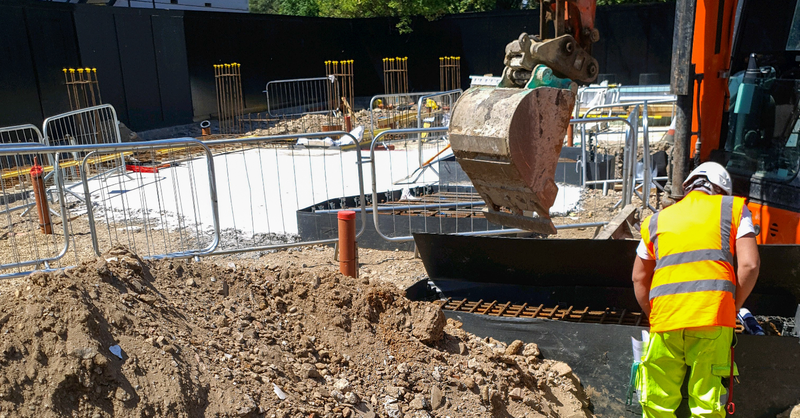
Utility tie-ins can create significant general liability exposures on construction projects. While the work may represent only one portion of a larger job, it often places a contractor’s operations in or near public infrastructure systems, property lines, easements, and active service areas. When something goes wrong, the result may include third-party bodily injury, property damage, service disruptions, contamination, and related claims.
Because of the concentrated risk involved, many contractors benefit from a structured approach to planning and execution. For a step-by-step framework, see the General Liability Control Playbook for Utility Tie-Ins, which outlines practical controls that can be applied in the field.
Why Utility Tie-Ins Create General Liability Exposures
General liability exposures often arise when a business’s operations cause bodily injury or property damage to a third party. In construction, that can include incidents tied to ongoing operations, completed operations, and in some cases contractual obligations assumed through project agreements. Industry sources commonly describe these exposures in terms such as premises liability, operations liability, products and completed operations, and contractual liability.
Utility tie-ins fit squarely within that framework. They can create liability through:
- damage to underground infrastructure
- injury to members of the public
- fire or explosion
- flooding or water damage
- contamination or cross-connection events
- service interruption affecting nearby businesses or residents
- allegations that completed work later caused downstream damage
For contractors looking to standardize how these exposures are managed, the General Liability Control Playbook for Utility Tie-Ins provides a condensed, field-ready checklist that can be incorporated into pre-task planning and jobsite procedures.
Underground Utility Strikes and Third-Party Property Damage
One of the most common and potentially severe loss scenarios involves damage to underground utilities during excavation, trenching, boring, or related tie-in work. A strike to gas, electric, telecom, water, or sewer infrastructure can quickly expand beyond the immediate work area. Depending on the system involved, losses may include fire, explosion, flooding, service outage, evacuation, damage to adjacent property, and bodily injury to third parties. These are classic general liability exposure pathways because they may trigger claims for bodily injury, property damage, and consequential loss tied to the contractor’s operations.
OSHA’s excavation standards reinforce the importance of pre-work utility identification and coordination. The standard requires that the estimated location of underground utility installations be determined before opening an excavation, that utility owners be contacted to establish locations before work begins, and that utilities be protected, supported, or removed as necessary while the excavation is open. Those requirements are centered on worker safety, but they also support sound loss-control practices that may help reduce the likelihood of third-party property damage and liability claims.
From a practical risk management standpoint, contractors can reduce exposure by treating tie-ins as controlled activities rather than routine field tasks. A documented ground-disturbance permit process, current utility locating information, field verification, and clear responsibility for approving work conditions can help establish a stronger baseline before excavation begins.
A more detailed breakdown of these controls, including pre-excavation verification steps and documentation considerations, is available in the General Liability Control Playbook for Utility Tie-Ins.
Electrical Tie-Ins and Energized System Risks
Electrical tie-ins and temporary power work can also create serious general liability exposures, particularly when energized lines or systems are located in or near active construction zones. An electrical event may lead to fire, arc-related damage, equipment damage, injury to third parties, or property loss extending beyond the project itself. These risks are especially important where temporary systems are modified frequently or where multiple parties are working near existing or newly installed electrical infrastructure.
OSHA’s construction electrical regulations specifically state that safety-related work practices address hazards arising from accidental contact, direct or indirect, with energized lines above or below ground that pass through or near the jobsite. OSHA also recognizes broader construction electrical hazards such as shock, electrocution, fire, and explosion. In higher-exposure utility work, OSHA standards also require energized lines and equipment to be treated as energized unless de-energized under applicable procedures.
For general liability purposes, the key issue is not only worker injury. It is also the potential for contractor operations to produce damage or injury reaching beyond the crew performing the work. Strong controls such as lockout or isolation procedures where applicable, qualified personnel, sequencing discipline, and clearly defined authority for energization and cutover decisions can help reduce the risk of third-party loss.
Water and Sewer Tie-Ins, Flooding, and Contamination Exposure
Water and sanitary sewer tie-ins can create a different set of general liability issues. A failed tie-in, broken line, or connection error may result in flooding, washout, property damage, sewer backup, erosion, sinkhole conditions, or service interruption. In some situations, connection problems may also create contamination concerns, particularly if cross-connections or backflow conditions affect potable water systems.
EPA defines cross-connections as actual or potential connections between a potable water supply and nonpotable plumbing, and it defines backflow as the unintended reversal of flow through a cross-connection that can create a serious public health hazard. EPA also notes that cross-connection control and backflow prevention programs are designed to help keep contaminants out of drinking water distribution systems.
That matters from a liability standpoint because water and sewer tie-in losses can quickly move beyond physical damage alone. In addition to repair costs, contractors may face claims tied to business interruption, cleanup, restoration, damaged contents, public inconvenience, or property damage affecting neighboring structures. Where potable water integrity is involved, the potential exposure can become even more significant.
To reduce risk, contractors should verify system separation, connection points, shutoff conditions, and testing procedures before the tie-in occurs. Clear communication with utilities, municipalities, inspectors, and project stakeholders is especially important when water service, sewer service, or public infrastructure may be affected.
Ongoing Operations, Completed Operations, and Contractual Liability
Utility tie-in exposures are not limited to incidents that happen during the work itself. Some losses emerge later, after the work has been completed and the system has been placed into service. In insurance terms, that may move the issue from an ongoing operations exposure to a completed operations exposure. Industry resources commonly describe completed operations liability as injury or property damage that occurs after work has been completed and put to its intended use.
For example, a defective connection, poor installation, improper testing, or failure in a completed utility tie-in could later contribute to fire, water damage, property damage, or injury. For that reason, contractors should not view tie-in risk as ending when the crew leaves the site. Final verification, inspection, documentation, and turnover discipline remain important parts of loss control.
Contractual liability can also influence exposure. Construction contracts often address indemnification, utility coordination responsibilities, restoration obligations, traffic control, and responsibilities for damage to public or private infrastructure. When tie-in work is involved, the contractor should understand where project agreements allocate risk and what documentation may be needed to support compliance. Contractual liability is commonly recognized as a distinct commercial liability exposure area because obligations assumed by contract can become part of the claim environment when a loss occurs.
General Liability Control Playbook for Utility Tie-Ins
Utility tie-in work often combines multiple high-risk conditions in a short duration of time. Having a consistent, repeatable approach can help reduce both the likelihood and severity of general liability losses.
The General Liability Control Playbook for Utility Tie-Ins provides a practical, field-oriented framework that contractors can use to support:
- Pre-task planning and hazard identification
- Utility locate verification and coordination
- Control of energized or pressurized systems
- Documentation of conditions and approvals
- Final verification and turnover procedures
Practical Ways Contractors Can Reduce Utility Tie-In Liability Risk
A strong loss-control approach to utility tie-ins should be practical, repeatable, and well documented. The goal is not simply to comply with minimum requirements. It is to reduce the chance that the contractor’s operations cause bodily injury, property damage, or service-related losses affecting others.
Contractors should consider the following controls before and during tie-in work:
- Establish clear pre-work planning requirements
Treat utility tie-ins as high-risk work that requires formal pre-task planning, not as a routine field adjustment. - Verify utility information before excavation or connection work begins
Estimated utility locations, utility owner coordination, and field verification should be completed before excavation is opened, consistent with OSHA excavation requirements. - Use controlled procedures around energized or pressurized systems
Where electrical, gas, water, or sewer systems are involved, define who has authority to isolate, shut down, test, reconnect, or re-energize. - Protect the public and adjacent property
Consider not only worker safety, but also vehicle traffic, pedestrian exposure, neighboring structures, nearby tenants, and downstream utility users. - Document conditions, approvals, and changes
If a claim develops later, documentation of locating, coordination, inspection, testing, utility communication, and field conditions may be important. - Confirm final conditions before turnover
Completed operations exposures can arise after service is restored or work is placed into use. Final verification matters. - Coordinate responsibilities across parties
Owners, utility companies, municipalities, inspectors, subcontractors, and general contractors may all play a role in tie-in work. Clear accountability can help reduce confusion at critical moments.
Why This Matters for General Liability Loss Control
General liability claims often begin with a simple operational mistake that reaches beyond the insured’s own work area. Utility tie-ins present exactly that kind of risk. They involve live systems, uncertain existing conditions, and the potential for immediate third-party impact. That combination can lead to bodily injury, property damage, public disruption, and allegations of faulty operations or defective completed work. General liability policies are commonly designed to respond to bodily injury and property damage claims arising out of business operations, including exposures associated with ongoing operations and completed operations, subject to policy terms and exclusions.
For contractors, the most effective strategy is to view utility tie-ins not as minor closeout items, but as loss-sensitive activities that deserve disciplined planning and execution. Good loss control can help reduce both the frequency of incidents and the severity of third-party claims when utility-related work is involved.
Frequently Asked Questions (FAQ)
General liability exposures in construction typically involve third-party bodily injury, property damage, and related claims arising from a contractor’s operations, premises, or completed work. Industry sources commonly describe these exposures in areas such as operations liability, completed operations, and contractual liability. [iii.org], [hylant.com], [irmi.com]
Utility tie-ins often involve uncertain site conditions, underground infrastructure, energized or pressurized systems, and the potential for immediate public impact. As a result, a single error can lead to property damage, injury, service interruption, flooding, or contamination.
Yes. If a utility strike causes third-party property damage, bodily injury, evacuation, fire, flooding, or related downstream loss, it may create a general liability claim environment tied to the contractor’s operations. [iii.org], [hylant.com], [irmi.com]
Planning, utility coordination, verification of underground conditions, controlled procedures for energized or pressurized systems, documentation, and final testing can all help reduce the risk of third-party injury and property damage. OSHA’s excavation standards specifically require utility location efforts and utility owner coordination before excavation begins. [osha.gov], [ecfr.gov]
Contractors can use the General Liability Control Playbook for Utility Tie-Ins as a practical reference. It provides a structured checklist and guidance for managing excavation, electrical, water, and sewer tie-in exposures that may lead to general liability claims.
Sources
OSHA – Excavation Standard (1926.651)
eCFR – Construction Electrical Regulations (29 CFR 1926, Subpart K)
EPA – Cross-Connection Control Fact Sheet
Insurance Information Institute – Commercial General Liability Insurance
Hylant – General Liability Exposures Every Organization Should Know
IRMI – Commercial General Liability Policy Definition
eCFR – Excavation Requirements (29 CFR 1926.651)