Stay Safe on Playgrounds
Introduction and Scope
Playgrounds support physical activity and community engagement, but they also present injury risks that should be managed. Common hazards include falls, entanglement or strangulation, entrapment, contact with moving components, sharp edges, and unsafe surfacing.
Playground injuries remain a significant exposure for youth-serving organizations. National data indicate that more than 200,000 children ages 1 to 10 are treated annually in emergency departments for playground-related injuries. Within school environments, playgrounds account for approximately one-third of all injuries, making them the leading location of incidents. Epidemiological Characteristics of School Playground Injuries - PMC
Injury patterns show that head and neck injuries are most common, followed by upper and lower extremity injuries. While most incidents are treated on-site, roughly 13% require outside medical care, with upper extremity injuries disproportionately driving more serious outcomes.
Equipment Location and Layout
- Evaluate playground placement to reduce exposure to external hazards such as streets, parking lots, and vehicular traffic. Fencing or physical separation is commonly used where appropriate.
- Provide adequate spacing between pieces of equipment to help distribute use and reduce congestion.
- Separate equipment intended for different age groups where feasible to reduce misuse and collision hazards.
Surfacing and Fall Protection
- Equipment should be installed over impact-attenuating surfacing designed for the equipment’s fall height.
- Surface performance matters more than the base material, and hard-surface sites may require tested mats or unitary surfacing systems.
Equipment Installation and Anchoring
- Install anchoring systems below grade as specified by manufacturer
- Follow all applicable safety standards during installation
- Ensure proper depth and concrete coverage for anchor stability
- Verify anchor capacity meets or exceeds equipment load requirements
Exposed concrete footings and anchors should be addressed to reduce tripping and contact hazards. Any portion of the anchoring system that remains visible after installation presents a potential safety concern that should be mitigated through proper finishing techniques, protective covering, or landscape integration.
Components and Design Features
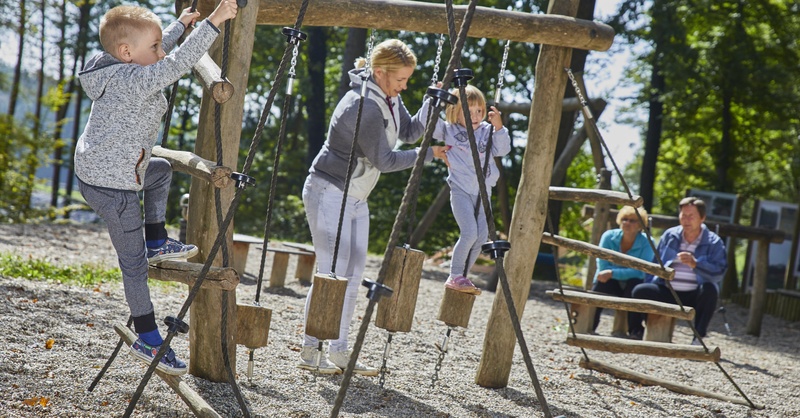
- Remove or correct cables, ropes, wires, or similar elements that may create entanglement or strangulation hazards.
- Use slip-resistant surfaces on climbing, gripping, and step components where feasible.
- Ensure tube ends, fasteners, and protrusions are capped or guarded where accessible.
Key Supervision Strategies
Effective supervision starts with clear rules, age-appropriate oversight, and prompt intervention when unsafe behavior is observed. Monitors should be positioned to actively watch children, monitor for overcrowding or misuse, and respond quickly when hazards develop.
It is also good practice to discourage children from eating or drinking while using playground equipment, since food, beverages, and active play can increase choking, distraction, and fall-related risks.
Appropriate Use Guidelines
Equipment should be used as designed and intended. This includes following age and size recommendations, using equipment one child at a time when specified, and avoiding behaviors that increase injury risk such as jumping from swings or climbing on top of structures. Clear signage and regular reminders help reinforce these guidelines.
Peak Use Period Management
During high-traffic times, additional supervision may be warranted to prevent overcrowding and ensure safe play patterns. Peak periods often coincide with increased fall, collision, and misuse incidents. Managing crowd flow, limiting the number of children on specific equipment, and having adequate supervisory staff present helps mitigate these risks.
Emergency Readiness and Equipment Access
Organizations should be ready to respond promptly if a playground injury or medical emergency occurs. First aid supplies, a reliable way to call for help, and any emergency response equipment maintained for the site should be kept in close proximity to the playground so they can be accessed without unnecessary delay. Staff assigned to supervise playground activities should know where these items are located and understand the organization’s emergency response procedures.
Inspection and Maintenance
Routine inspection and timely maintenance are essential to keeping playgrounds safe over time.
Inspection Approach
Many organizations use a tiered inspection approach, including:
- Frequent visual checks by staff or caretakers to identify obvious hazards
- Periodic documented inspections conducted by trained personnel to evaluate structural integrity, wear, and adherence to manufacturer guidance
Keeping records of inspections and corrective actions can support follow-through and consistency.
Common Conditions to Address
- Tripping hazards such as rocks, tree roots, surface depressions or low containment structures
- Bent, cracked, rusted or warped components
- Open or deformed hooks, links, rungs or shackles
- Worn, damaged, loose or missing swing seats and chains
- Broken or damaged anchors and supports
- Exposed or damaged concrete footings
- Accessible sharp edges, bolts, fasteners or protrusions
- Uncapped or exposed tube endings
- Cracked or splintered wood
- Worn bearings
- Broken or missing rails, rungs, seats or steps
- Loose nuts and bolts
- Areas of poor drainage that may affect surfacing performance
Seasonal and Environmental Risk Awareness
Weather and site conditions can affect playground safety. Wet or icy surfaces may increase slip hazards, freeze-thaw cycles can affect surfacing, and sun exposure can make metal, plastic, and rubberized surfaces hot enough to cause burns.
Seasonal reassessment can help identify changing hazards and support timely corrective action.
Severity Awareness and Standards
Many organizations reference guidance such as:
- U.S. Consumer Product Safety Commission (CPSC) – Public Playground Safety Handbook
- ASTM International standards addressing playground equipment design and surfacing performance ASTM F1487-25 - Standard Consumer Safety Performance Specification for Playground Equipment for Public Use
Applicable standards, manufacturer instructions, and qualified professionals can help inform site-specific decisions.
When to Seek Additional Guidance
Additional evaluation may be helpful when:
- Installing new equipment
- Modifying existing playgrounds
- Following a serious incident
- Equipment manufacturers
- Qualified inspectors
- Local authorities
- Loss control professionals
Download Our Checklist for Practical Playground Safety Tips
These resources can help organizations identify site-specific issues and improvement opportunities.