Claim Scenario: The Parking Structure Investigation That Became a Multimillion-Dollar Claim
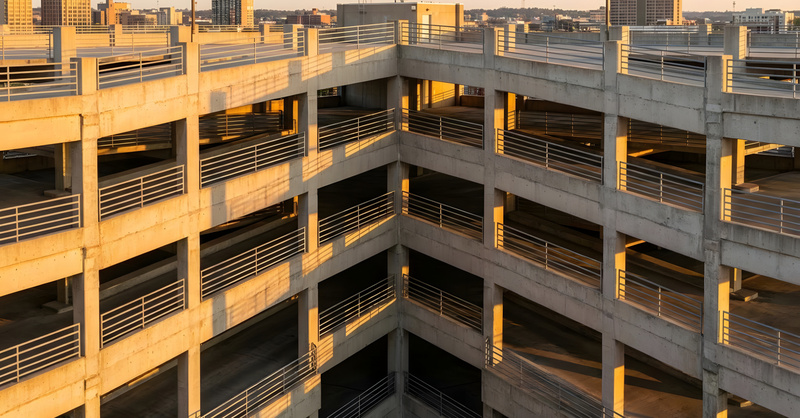
Six months after completion of a multilevel parking structure, the owner reported extensive cracking in several elevated concrete slabs. The structural engineer was contacted and asked to participate in meetings with the owner, contractor and a forensic consultant retained to investigate the cause of the cracking.
At the outset, the owner was careful not to accuse anyone of wrongdoing. Instead, the owner stated that it simply wanted to understand the cause of the problem and identify an appropriate repair strategy. Because no formal demand had been made and no lawsuit had been filed, the engineer viewed the issue as a routine post-construction investigation and chose not to notify its professional liability carrier.
Over the following 18 months, the scope of the problem expanded significantly. Core sampling, load testing and forensic analysis revealed widespread deficiencies requiring extensive repairs and temporary shoring. Portions of the facility were closed during the investigation, reducing parking capacity and generating lost revenue for the owner.
As repair estimates increased, the focus of the investigation shifted from identifying the cause of the cracking to determining who would ultimately pay for the repairs. The owner alleged that the structural design did not adequately address anticipated loading conditions and claimed that design deficiencies contributed to the failures. The contractor and subcontractors, in turn, attempted to shift responsibility to the design team.
The owner's final demand exceeded $4.5 million and included:
- Approximately $2.7 million in repair and remediation costs.
- Nearly $1 million in business interruption and lost parking revenue.
- Engineering and forensic consulting fees.
- Attorneys' fees and litigation expenses.
By the time the matter was reported, dozens of meetings had occurred, extensive written communications had been exchanged, and project participants had taken positions that complicated the defense. Significant defense resources were required simply to reconstruct the chronology of events and address statements made before coverage counsel and defense counsel became involved.
Following mediation, the matter was resolved for a confidential amount. Defense costs exceeded $450,000, and the insured ultimately contributed to a global settlement involving multiple defendants.
Risk Management Lesson: The claim did not begin when the owner demanded $4.5 million. It began when the owner first requested the engineer's assistance in investigating a potentially significant structural issue. Early reporting would have allowed the carrier to assist with strategy, document preservation, expert retention and communications before the dispute escalated.
Claim Scenario: A Water Infiltration Complaint Evolves Into $6 Million in Alleged Damages
An architectural firm received a letter from the owner of a recently completed mixed-use development alleging recurring water infiltration at multiple locations throughout the building envelope. The owner requested project documents, invited the architect to participate in investigative meetings and advised that consultants were evaluating potential repair options.
The correspondence did not include a monetary demand or expressly accuse the architect of negligence. Believing the contractor's installation was the most likely cause of the problem, the architect elected not to notify its broker or carrier.
Over the next two years, the project's condition deteriorated. Water intrusion damaged drywall, flooring, insulation and tenant improvements in several occupied spaces. Multiple repair efforts failed to fully address the problem. The owner retained a building envelope consultant and ultimately performed extensive destructive testing.
As the investigation progressed, consultants identified a combination of construction deficiencies and disputed design details involving flashing, waterproofing transitions and drainage components. Repair recommendations expanded from localized repairs to a comprehensive building envelope remediation program.
The owner eventually filed suit against the architect, contractor, envelope consultant and numerous subcontractors. The complaint sought more than $6 million in damages, including:
- Approximately $3.8 million in repair and remediation costs.
- More than $1.2 million in tenant relocation expenses and lost rental income.
- Delay damages associated with remediation work.
- Expert fees, attorneys' fees and other litigation expenses.
By the time litigation commenced, the owner had amassed years of correspondence, meeting minutes, consultant reports and repair records. Many of those documents became central to the dispute. Although the architect maintained that the contractor bore primary responsibility, substantial portions of the defense focused on design decisions, project communications and actions taken during the pre-suit investigation.
Coverage ultimately applied, but considerable time and expense were devoted to evaluating notice issues and reconstructing events that occurred years before the matter was formally reported.
The case proceeded through extensive discovery before settling in mediation. Total defense costs exceeded $600,000, and the architect participated in a multiparty settlement that resolved the owner's claims.
Risk Management Lesson: Many firms wait until they receive a lawsuit before considering notice. In reality, allegations of design deficiencies, requests to participate in investigations, mediation demands and discussions regarding repair responsibility are often indicators that a claim is developing. Early reporting allows the carrier to assist before positions harden and litigation becomes unavoidable.