CLAIMS
Claims Service and Expertise
When you need to make a claim, you want to work with experts who understand your loss and what to do. That’s why at Great American, our claims professionals specialize in the markets they serve. We'll pair you with claims professionals who have deep industry experience and understand your organization’s specific needs.

A Guide for Your Claims Reporting Experience
Our claims professionals stand ready to help when the unexpected happens. Watch this short video to understand the multiple ways you can report a claim to help ease your experience as you navigate the claims process.

Specialty Claim: Expertise When It Matters Most
When it comes to making a claim, you deserve experts who truly understand your industry and share your priorities. Discover how our dedicated Claims teams bring deep industry-specific expertise to support you when you need it most.

SIU: Keeping the Promise
Your business's unique risks require specialized support. When you buy insurance, you're buying the promise that we can meet our obligations to you. Discover how our Special Investigation Unit (SIU) helps ensure we keep that promise, even when the unthinkable happens.

Expert Claims for Your Cyber Event
A cyber event is one of the most pressing things a business owner can face, with the potential for both legal and financial ramifications. Discover how we work collaboratively with our insureds and vendor response team to help restore your environment.

Workers' Comp: Data & People Make the Difference
By using data-driven insights, our skilled claim professionals can select providers focused on quality care. This helps injured workers recover and delivers superior outcomes for both workers and insured clients.
What do I need to report a claim?
-
Your Name
-
Your contact information (address, phone number and email)
-
Your connection to the claim (For example, are you the policyholder, the agent, an injured party or a witness?)
-
A Great American policy number (as available)
-
The type of loss – auto, property, workers comp, general liability
-
Details of what happened
Report a claim
Other Contacts
Workers' Compensation Claims
Electronic Billing Information
Medical providers can submit bills directly through the Data Dimensions electronic billing system. If you have questions, contact Data Dimensions.
Claims Payments Via Electronic Funds Transfer
To receive Workers' Compensation claims payments electronically, complete this form, and email or mail it to our offices (as noted on the form).
Not sure where to go?
If you're not sure how to proceed, contact our Call Center team.
844 GAIG NOW (844-424-4669)
Option 1: new claims
Option 2: existing claims.
Please call during our regular business hours of 8:00 a.m.-5:00 p.m. Eastern.
Additional Resources
Our claims professionals specialize in the markets they serve.
Wildfire Prevention: The Importance of Fire-Resistant Landscaping
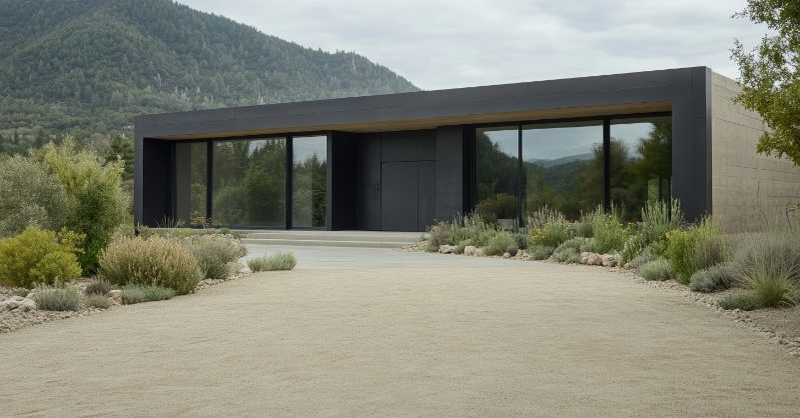
In a perfect world, risk could be avoided altogether. Unfortunately, risk is part of everyday life, and effective protection often depends on reducing exposure rather than eliminating hazards entirely. When it comes to wildfires, one of the most effective risk reduction strategies is fire-resistant landscaping.
Often referred to as defensible space or firescaping, fire-resistant landscaping focuses on designing, installing and maintaining areas around structures to reduce combustible material. By managing vegetation, debris and ignition sources, property owners can help slow the spread of wildfires and create safer conditions for both occupants and first responders.
The Best Offense Is a Good Defense
Fire-resistant landscaping is built around three core objectives:
1. Distance
Whenever possible, defensible space created through fire-resistant landscaping should extend at least 100 feet in all directions from a structure. This separation reduces exposure to radiant heat and flame contact.
2. Fuel Reduction
Once the defensible area is established, vegetation and other combustible materials should be reduced as much as possible. Limiting available fuel plays a critical role in slowing fire intensity and spread.
3. Fire Interruption
Unmanaged vegetation can allow fire to spread vertically from grasses to shrubs, trees and ultimately the canopy. These “fuel ladders” dramatically increase fire behavior and make fires harder to control. Fire-resistant landscaping interrupts these pathways by managing both horizontal and vertical spacing.
Zone Defense: Structuring Fire-Resistant Landscaping
Defensible space is commonly divided into three distinct zones, each with specific maintenance goals. Together, these zones form a comprehensive fire-resistant landscaping strategy.
Zone 0: Immediate Zone (0–5 feet from the structure)
Also known as the ember-resistant zone, this area is the most critical. Embers are a leading cause of structural loss during wildfires, and keeping this zone clear significantly reduces ignition risk.
Best practices include:
Clearance
- Remove dead plants, weeds, leaves and debris from roofs, gutters, decks, porches and stairs
- Remove branches within 10 feet of structures
Restriction
- Minimize or eliminate outdoor furniture on decks and balconies
Placement
- Keep firewood, lumber and garbage or recycling containers outside this zone
- Store vehicles, boats and equipment beyond the 5-foot boundary
Hardscaping
- Use noncombustible materials such as gravel, pavers, masonry or concrete
- Avoid combustible mulches like bark or wood chips
Fireproofing
- Install noncombustible siding and fencing
- Replace standard vents with ember-resistant vents
- Choose noncombustible outdoor furniture whenever possible
Zone 1: Intermediate Zone (5–30 feet from the structure)
In this zone, fire-resistant landscaping emphasizes spacing and maintenance. Vegetation may be present, but it must be managed to reduce fire spread.
Best practices include:
- Remove flammable materials such as twigs, bark, cones, pine needles and dead vegetation
- Regularly trim trees to keep branches at least 10 feet apart from other trees
- Maintain healthy, well-spaced plants to reduce continuous fuel sources
Zone 2: Extended Zone (30–100 feet from the structure)
Effective fire-resistant landscaping extends well beyond the home itself. In many states, including California, 100 feet is the minimum legislated defensible space requirement.
Best practices include:
- Maintain 10 feet of clearance around woodpiles, propane tanks, garages and sheds
- Mow grass so it does not exceed 4 inches in height
- In dry conditions, mow before 10 a.m. and avoid hot or windy days
- Remove flammable debris deeper than 3 inches
- Use string trimmers rather than lawn mowers during high fire risk conditions
Vegetation Spacing Guidelines
Flat terrain:
- Shrubs spaced at twice their height
- Trees at least 10 feet apart
Moderate slope (20%–40%):
- Shrubs spaced four times their height
- Trees at least 20 feet apart
Steep slope (40%+):
- Shrubs spaced six times their height
- Trees at least 30 feet apart
Vertical spacing helps eliminate fuel ladders:
- Maintain at least three times the shrub height between vegetation and tree branches
- Remove all tree branches within 6 feet of the ground
Time Out: Plan Your Fire-Resistant Landscaping Strategy
Developing a fire-resistant landscaping plan is easier when it’s documented in advance. Creating a property diagram that identifies all three zones and existing vegetation can streamline maintenance and inspections. Because wildfire risk and regulations vary by region, always consult local municipalities, which may require standards beyond state minimums.
For a more structured approach, consider using the Great American wildfire grounds checklist and wildfire individual building checklist.
Tech Defense: Enhancing Fire-Resistant Landscaping With Technology
1. Fire retardants and suppressors
- Nontoxic, mineral-based sprays or gels that reduce flammability for 5–10 years
2. Heat barriers
- PFAS-free fire-resistant wetting agents used during hot work operations
3. Protective sheeting
- Temporary, flexible membranes that shield windows and doors during a wildfire threat
4. Exterior sprinkler systems
- High-end systems using heat-resistant materials and independent water supplies to protect structures
Plan Today, Prevent Tomorrow
Fire-resistant landscaping is one of the most effective ways to reduce wildfire risk and protect property. At Great American Insurance Group, we strive to equip policyholders with the knowledge and tools they need to prepare for and prevent wildfire loss.
To learn more, connect with our team of experts. For additional guidance on wildfire prevention, food safety and organizational risk management, visit our Plan & Protect Hub.
References
- Fire Safety & Property Protection
- Loss Control