Marina Fire Safety for Boat Owners
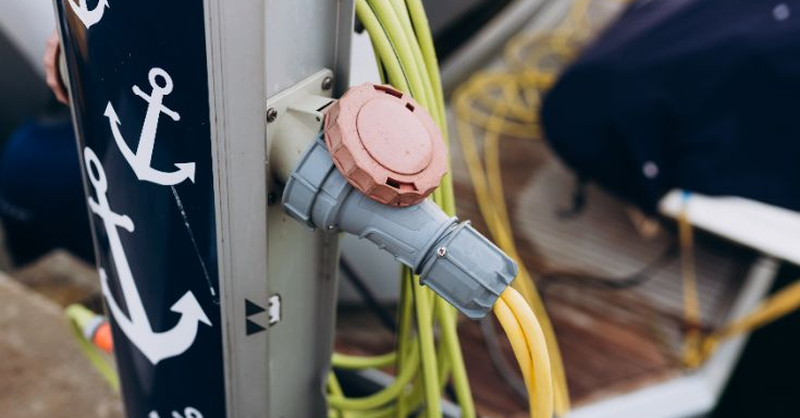
For a broader view of marina fire hazards and prevention, read the Marina Fire Safety overview and review the marina operator controls that support emergency preparedness.
Fire safety at marinas isn’t just the responsibility of operators—boat owners play a critical role in preventing and responding to emergencies on the docks. Understanding how fire suppression systems work, knowing your marina’s emergency procedures, and preparing your vessel and passengers for a potential evacuation can make all the difference when seconds matter. From reviewing posted evacuation routes to safely handling lithium-ion batteries, charging equipment and shore power connections, staying informed and proactive helps reduce marina fire risks and ensures you’re ready to act quickly and safely if a fire occurs nearby.
Fire Suppression Systems and Emergency Preparedness
Effective marina fire response depends on the right systems, planning and training—before an emergency occurs.
- Review posted emergency procedures, evacuation routes and meeting points at the marina you use.
- Make sure everyone who regularly uses your boat (family, crew and guests) knows how to exit the vessel and reach safe areas if a fire occurs on the dock or nearby.
- Keep important contact information (marina office, emergency services, towing or assistance providers) readily available on your vessel and phone.
- If you see smoke, fire or other hazards on the docks or in buildings, alert marina staff immediately and follow their instructions for staying clear and safe.
Emergency Response and Your Role During a Marina Fire
To understand how marinas plan emergency response and coordination, see Marina Fire Safety for Marina Operators.
Well-designed emergency response plans help marina operators and boat owners respond quickly and consistently when a marina fire or related emergency occurs. Knowing what your marina expects from you improves safety for everyone.
Learn your marina’s emergency procedures
Review posted procedures, evacuation routes and assembly points. Ask how the marina will notify boaters and what actions you should take if a fire occurs on a dock or in a nearby building.
Keep your contact information current
Ensure the marina has up-to-date daytime and after-hours contact information for you and other primary operators. Keep key numbers on board and in your phone.
Understand when to evacuate
Know how to shut down engines and electrical systems when directed, and when to prioritize evacuation over attempting to fight a fire. Follow instructions from marina staff and emergency responders.
Share relevant vessel information
Inform the marina of conditions that could affect response, such as unusually large fuel capacity or significant lithium-ion battery banks, so this can be considered in pre-incident planning.
Thermal Runaway: Lithium-Ion Battery Hazards
Lithium-ion batteries are increasingly common on vessels and in shore-side equipment, but they introduce marina fire hazards due to the risk of thermal runaway.
- Follow manufacturer instructions for lithium-ion batteries and use only chargers approved for your battery system.
- Store and charge batteries only in locations approved by your marina, and avoid leaving batteries on charge when you are not on site where feasible.
- Check batteries for swelling, unusual odor, excessive heat or damage and notify marina staff immediately if you notice anything abnormal.
- Keep solvents, fuels and other flammable liquids away from areas where you store or charge batteries on your vessel or in marina storage areas.
Battery Charging Stations and Shore Power Safety
Battery chargers, extension cords and shore power connections can increase marina fire risk if equipment is damaged, overloaded or used improperly.
- Use marina-designated charging locations and connection points; avoid running cords through walkways, water or high-traffic areas.
- Do not block marked charging or electrical areas with stored gear or personal items; follow no-parking and no-smoking signs.
- Watch for warm plugs, unusual smells or visible damage on chargers and cords; stop using equipment that appears unsafe and notify marina staff.
Electrical Fires: Inspect Shore Power and Avoid Overloads
Electrical malfunctions are a leading cause of marina fires, especially in shore power equipment exposed to moisture and corrosion.
- Inspect shore power cords, plugs and inlets for damage, corrosion or overheating (such as discoloration or melting) and replace damaged equipment promptly.
- Use appropriately sized, marine-rated cords and connectors and avoid makeshift adapters.
- Avoid overloading onboard circuits with heaters, battery chargers and appliances; follow marina guidance and any posted load limits.
- If you notice sparking, tripped breakers, burning odors or warm outlets/pedestals, disconnect safely if you can and alert marina staff immediately.
Engine and Vessel Fires
Fuel leaks, overheated engines and neglected maintenance increase the likelihood of vessel fires that can spread and become a marina fire.
- Follow the manufacturer’s maintenance schedule for fuel systems, exhaust components and engines; promptly address leaks, drips or unusual odors.
- When leaving your boat unattended, shut off battery switches and fuel valves where recommended and permissible for your vessel’s systems.
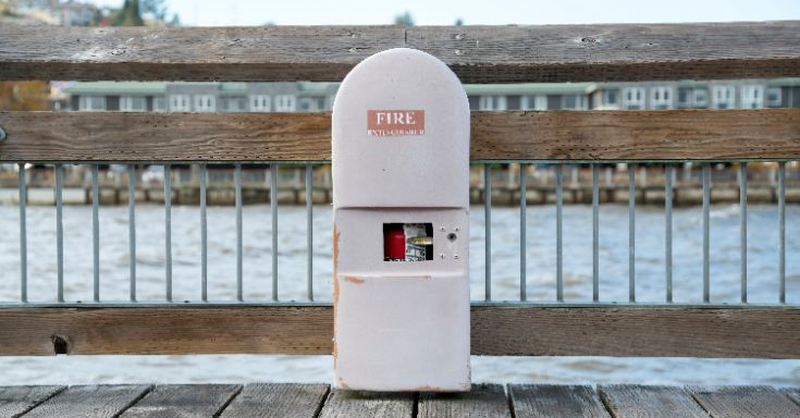
- Keep appropriate fire extinguishers on board, ensure they are properly mounted and maintained and know how to use them.
- If you notice engine overheating, smoke or fuel odors, shut down safely and seek assistance from qualified service personnel and marina staff.
Fueling Dock Fires
Fueling is one of the highest-risk marina activities because flammable vapors can ignite quickly.
- Follow posted fueling procedures and the directions of marina personnel; do not begin fueling until instructed.
- Shut off engines, electrical equipment and ignition sources; keep passengers away from fueling areas as directed.
- Avoid cell phones, grills and other ignition sources in fueling zones; observe no-smoking rules.
- If you smell strong fuel vapors after fueling, do not start the engine; ventilate, investigate and request assistance if needed.
Hot Work Fires: Coordinate Maintenance Safely
Hot work such as welding, cutting or grinding can ignite combustibles during or after work, increasing marina fire risk.
- Confirm that the marina or contractor uses a hot work permit or equivalent safety process.
- Remove or protect combustible items (canvas, cushions, cleaning supplies and spare fuel containers) in and around the hot work area.
- Coordinate with marina staff so they know when and where hot work will occur and follow any access restrictions or shutdown instructions.
Frequently Asked Questions (FAQ)
Move to a safe location, alert marina staff immediately and call emergency services if directed or if immediate danger exists. Follow posted evacuation routes and instructions from responders.
Inspect cords and connectors for heat damage or corrosion, use properly rated marine equipment, avoid overloading circuits and report warm pedestals, odors or tripped breakers to marina staff.
They can be when charged according to manufacturer guidance and marina rules. Use approved chargers, avoid unattended charging where feasible and report swelling, heat or odors immediately.
Only attempt to use an extinguisher if it is safe to do so and you have a clear escape route. In many situations, evacuating and alerting marina staff and responders is the safest choice.
Keep your contact information current, share relevant vessel details (fuel capacity or large battery banks) and learn the marina’s emergency notification and evacuation procedures.