Marina Fire Safety for Marina Operators
For a full overview of marina fire hazards and prevention strategies, see our Marina Fire Safety overview. For complementary boater actions, share these boat owner fire safety tips with tenants.
Strong systems, clear procedures and well-trained staff lay the foundation for marina fire safety. Marina operators are responsible for implementing effective suppression equipment, maintaining safe dock and building operations, and coordinating emergency response plans that guide both staff and boat owners during a marina fire. By proactively managing hazards—from lithium-ion battery storage and electrical systems to fueling operations and hot work—operators can reduce the likelihood of a marina fire and ensure their facilities are prepared to respond quickly and safely if an incident occurs.
Fire Suppression Systems and Emergency Preparedness
Effective marina fire response depends on the right systems, planning and training—before an emergency occurs.
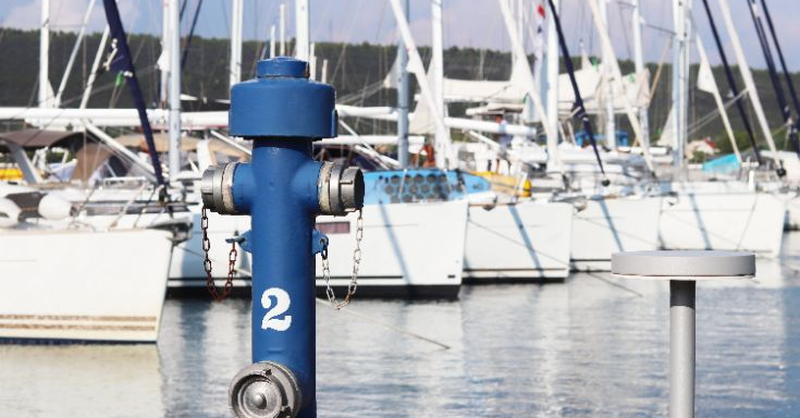
- Equip docks with fire extinguishers, standpipes and accessible water supply, based on facility layout and guidance from fire protection professionals and local authorities.
- Evaluate whether foam or water mist suppression may be beneficial in enclosed repair areas or other high-risk spaces. Consult GAIG Loss Control for suppression system plan reviews.
- Maintain clear evacuation routes, keep them free of obstructions and post emergency procedures at docks or dock entrances.
- Conduct regular fire drills for staff, including fuel dock shutdown scenarios and emergency communications.
Emergency Response Pre-Planning and Coordination with External Resources
Well-designed emergency response plans help marina operators and boat owners respond quickly and consistently when a marina fire or related emergency occurs.
Develop a written emergency response plan
Create and maintain a written plan addressing fires on docks or vessels, fires in buildings, fuel spills, lithium-ion battery incidents and events that could affect evacuation. Include procedures for alarms, emergency notifications, fuel shutdowns and accountability for staff and guests.
Define roles, responsibilities and communication
Specify who contacts emergency services, activates fuel shutoffs, manages evacuation, meets responders and communicates with tenants. Train staff regularly so responsibilities are clear.
Integrate evacuation and egress
Align emergency plans with building and life safety design, including exit routes, lighting and assembly points. Keep routes clear and include them in inspections.
Pre-plan with the local fire authority
Coordinate with the authority having jurisdiction to share site maps, identify hydrants, standpipes, access routes and higher-risk areas such as fuel storage or battery rooms.
Coordinate with third-party service providers
Maintain contact lists for fire protection contractors, electricians, spill response vendors, towing and salvage services and utilities.
Train, drill and review
Incorporate emergency plans into staff training and drills, and update plans based on drills, incidents or operational changes.
Thermal Runaway: Lithium-Ion Battery Hazards in Storage Areas
Lithium-ion batteries are increasingly used for vessel propulsion, electric outboards and onshore equipment. These batteries present a marina fire hazard due to the risk of thermal runaway.
- Store lithium-ion batteries in UL-listed, fire-resistant cabinets designed for battery storage.
- Designate separate, well-ventilated charging rooms with appropriate detection and suppression.
- Use only manufacturer-approved chargers and avoid unattended charging when practical.
- Remove and isolate batteries showing swelling, odor, heat or physical damage.
- Avoid storing incompatible hazardous materials in battery storage or charging rooms.
Battery Storage, Charging Stations and Shore Power Safety
Battery banks, chargers and shore power equipment can increase marina fire exposure if not properly managed.
- Separate charging areas from other operations using noncombustible construction where feasible.
- Install smoke and heat detection in battery and electrical rooms.
- Keep cables, plugs and chargers clean, dry and in good repair.
- Clearly mark charging zones and enforce no-parking and no-smoking policies.
- Train staff to disconnect equipment showing abnormal heat, odor or noise.
Electrical Fires in Marina Buildings and Shore Power Equipment
Electrical malfunctions remain a leading cause of marina fires, particularly in shore power systems exposed to moisture and corrosion.
- Schedule regular inspections by qualified marine electricians.
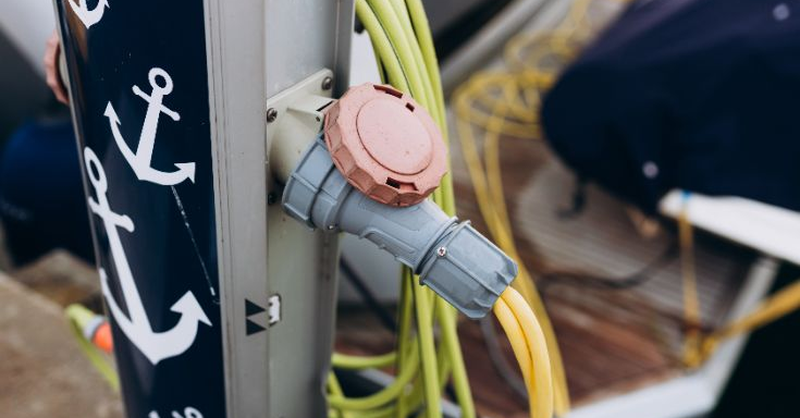
- Replace corroded or damaged outlets, wiring and dock pedestals promptly.
- Install ground-fault monitoring or similar protective devices where appropriate.
- Label dock circuits and establish load limits to prevent overloading.
- Ensure buildings have proper fire detection and accessible extinguishers.
Engine and Vessel Fires
For boat-owner maintenance and preparedness steps that support these controls, see Marina Fire Safety for Boat Owners.
Vessel fires can quickly escalate into marina fires if not identified and controlled early.
- Encourage boat owners to shut off batteries when vessels are unattended.
- Promote regular inspection of fuel systems, exhaust components and engines.
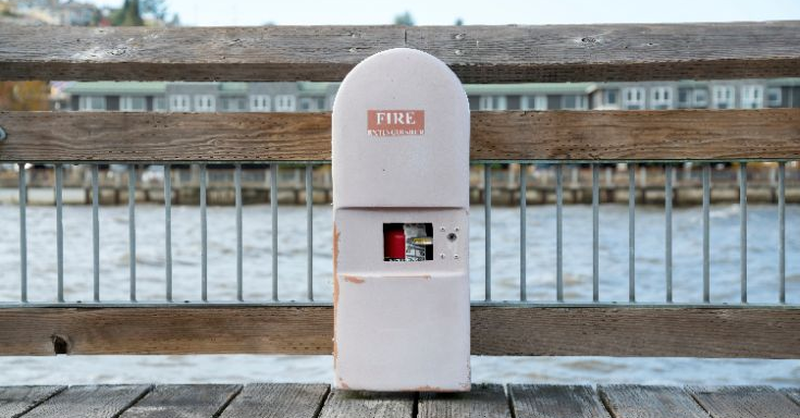
- Provide portable fire extinguishers on docks at appropriate intervals.
- Train staff to recognize overheating or fuel leaks.
- Avoid operating engines in enclosed spaces without proper ventilation.
Fueling Dock Fires
Fueling docks represent one of the highest marina fire risks due to flammable vapor release.
- Post fueling procedures and staff docks during fueling operations.
- Install and clearly mark emergency fuel shutoff switches.
- Enforce no-smoking and no-open-flame rules.
- Maintain spill kits and train staff in spill response.
- Ensure proper bonding and grounding during fuel transfers.
Hot Work Fires in Maintenance Areas
Hot work activities are a frequent source of marina fires without proper controls.
- Implement a hot work permit system.
- Clear or protect combustibles within a 35-foot radius.
- Maintain a trained fire watch during and after hot work.
- Provide appropriate fire extinguishers near work areas.
- Keep ventilation systems clean and free of flammable buildup.
Frequently Asked Questions (FAQ)
Marina operators are responsible for maintaining suppression systems, managing high-risk operations, training staff, and coordinating emergency response plans to reduce marina fire risk.
Lithium-ion batteries can fail and enter thermal runaway, producing intense heat and fire that is difficult to control without proper storage and charging practices.
Emergency response plans should be reviewed at least annually and updated after drills, incidents or changes in marina operations.
Fueling operations are among the highest-risk activities due to flammable vapors and the potential for ignition sources.
Marina operators often reference NFPA 303, NFPA 306 and NEC Article 555, along with local fire and building codes.