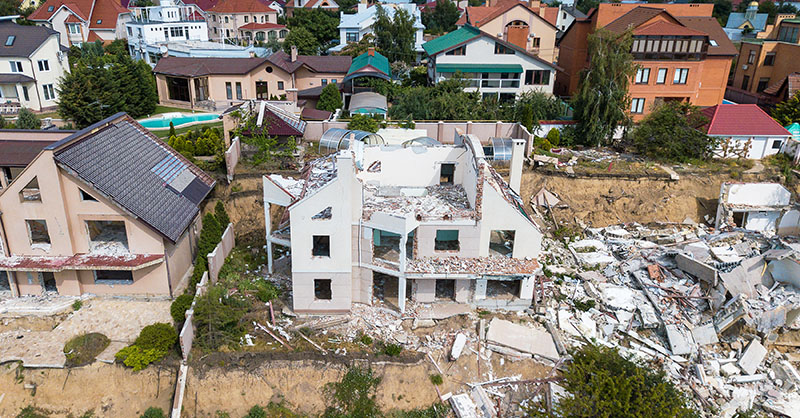
Claim Example: Succession Planning Failures and Resulting Claim Severity

A midsize structural engineering firm was founded and led for more than 30 years by its principal engineer, who personally performed final technical review on complex structural details and maintained primary client relationships with several longstanding institutional owners. Although the firm employed experienced project managers and engineers, it had no formal succession plan, and key quality control functions remained heavily dependent on the principal’s direct involvement. Quality assurance and quality control procedures were largely informal and not fully documented.
During the construction phase of a large mixed‑use project, the principal unexpectedly suffered a serious health event and stepped away from the business for an extended period. Oversight of ongoing projects was reassigned internally, but no individual was clearly designated as responsible for final technical review or primary client communication. The client was not formally advised of the change in leadership or review structure.
As construction progressed, several requests for information and design clarifications were delayed or addressed inconsistently by junior staff who lacked familiarity with earlier design assumptions. A structural connection detail was revised to address constructability concerns without senior‑level peer review or a full understanding of the original design intent. The revised detail was approved and constructed.
Subsequent field review identified that the revised connection was incompatible with site conditions, requiring limited demolition, redesign and replacement of installed components. While the issue did not present an immediate safety concern, the corrective work resulted in project delays and additional construction costs.
The project owner alleged that the engineering firm failed to maintain adequate quality control and continuity of professional oversight, resulting in avoidable rework, extended general conditions and increased professional fees. The owner asserted that the breakdown in leadership and review procedures following the principal’s departure materially contributed to the error and delayed resolution.
The claim sought approximately $850,000 in damages, including selective demolition and reconstruction costs, extended general conditions and consultant fees. Defense costs were also incurred in responding to allegations related to quality control failures and project oversight.
The matter ultimately resolved as a professional liability claim, with the insurer contributing approximately $525,000, inclusive of defense and indemnity. Claim analysis concluded that while the underlying design issue was relatively limited, the absence of a formal succession plan and institutionalized quality assurance and quality control procedures significantly increased both the likelihood and severity of the claim.