CLAIMS
Claims Service and Expertise
When you need to make a claim, you want to work with experts who understand your loss and what to do. That’s why at Great American, our claims professionals specialize in the markets they serve. We'll pair you with claims professionals who have deep industry experience and understand your organization’s specific needs.

A Guide for Your Claims Reporting Experience
Our claims professionals stand ready to help when the unexpected happens. Watch this short video to understand the multiple ways you can report a claim to help ease your experience as you navigate the claims process.

Specialty Claim: Expertise When It Matters Most
When it comes to making a claim, you deserve experts who truly understand your industry and share your priorities. Discover how our dedicated Claims teams bring deep industry-specific expertise to support you when you need it most.

SIU: Keeping the Promise
Your business's unique risks require specialized support. When you buy insurance, you're buying the promise that we can meet our obligations to you. Discover how our Special Investigation Unit (SIU) helps ensure we keep that promise, even when the unthinkable happens.

Expert Claims for Your Cyber Event
A cyber event is one of the most pressing things a business owner can face, with the potential for both legal and financial ramifications. Discover how we work collaboratively with our insureds and vendor response team to help restore your environment.

Workers' Comp: Data & People Make the Difference
By using data-driven insights, our skilled claim professionals can select providers focused on quality care. This helps injured workers recover and delivers superior outcomes for both workers and insured clients.
What do I need to report a claim?
-
Your Name
-
Your contact information (address, phone number and email)
-
Your connection to the claim (For example, are you the policyholder, the agent, an injured party or a witness?)
-
A Great American policy number (as available)
-
The type of loss – auto, property, workers comp, general liability
-
Details of what happened
Report a claim
Other Contacts
Workers' Compensation Claims
Electronic Billing Information
Medical providers can submit bills directly through the Data Dimensions electronic billing system. If you have questions, contact Data Dimensions.
Claims Payments Via Electronic Funds Transfer
To receive Workers' Compensation claims payments electronically, complete this form, and email or mail it to our offices (as noted on the form).
Not sure where to go?
If you're not sure how to proceed, contact our Call Center team.
844 GAIG NOW (844-424-4669)
Option 1: new claims
Option 2: existing claims.
Please call during our regular business hours of 8:00 a.m.-5:00 p.m. Eastern.
Additional Resources
Our claims professionals specialize in the markets they serve.
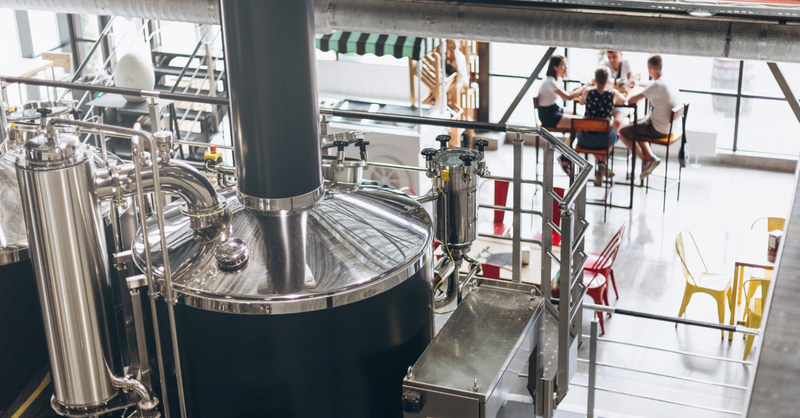
Brewery Equipment Failure Prevention to Reduce Downtime
Breweries rely on specialized equipment to operate consistently and efficiently. When a critical system fails, the impact often goes beyond the equipment itself. Production can stop, product can be lost, repair costs can increase, and customer commitments may be affected.
Effective brewery equipment failure prevention focuses on practical steps to maintain equipment reliability, reduce unplanned downtime, and limit the financial impact of disruptions.
Why Brewery Equipment Failure Prevention Matters
Brewing operations depend on multiple systems working together. A failure in one area can quickly affect others.
Common impacts include:
- Product spoilage due to temperature or process interruptions
- Lost revenue from halted production
- Increased costs for emergency repairs or replacement parts
- Damage to connected systems or components
Many equipment failures originate within the operation, including mechanical wear, electrical issues, process breakdowns, and operator error. These risks can often be identified and managed before they lead to downtime.
Common Causes of Equipment Failure in Breweries
Most failures develop over time and can often be traced back to known risk factors:
- Inadequate maintenance or inspection programs
- Electrical faults, including arcing and power surges
- Improper startup or shutdown procedures
- Aging equipment and delayed replacement planning
- Lack of redundancy or backup systems
Brewery environments place significant stress on equipment. Heat, moisture, vibration, pressure, cleaning chemicals, and continuous operation all contribute to wear on pumps, motors, refrigeration systems, boilers, and electrical components.
When failures occur, the impact typically includes both direct and indirect costs.
Direct costs may include:
- Spoiled batches and raw material loss
- Emergency repair expenses
- Additional labor for cleanup or rework
- Rush costs for replacement parts
Indirect costs may include:
- Missed production schedules
- Delayed shipments
- Lost taproom or distribution revenue
- Temporary outsourcing costs
- Increased strain on remaining equipment
Critical Brewery Equipment to Monitor
Brewery equipment failure prevention efforts should start with systems that directly impact production, quality, or delivery timelines:
Process Equipment
- Brew kettles and mash tuns
- Fermentation and conditioning tanks
- Pumps and piping systems
Temperature Control Systems
- Refrigeration systems
- Glycol chillers
- Heat exchangers
Utility Systems
- Boilers and hot water systems
- Compressed air systems
- Electrical distribution panels
Packaging Equipment
- Bottling and canning lines
- Labeling and conveyor systems
How to Strengthen Brewery Equipment Failure Prevention
1. Preventive Maintenance Programs
A structured preventive maintenance program is one of the most effective ways to reduce failure risk.
Focus on:
- Following manufacturer-recommended service intervals
- Maintaining inspection and service records
- Prioritizing production-critical equipment
- Using condition monitoring tools such as vibration analysis or thermography
What good looks like:
Maintenance is planned, tracked, and completed consistently rather than performed only after a failure occurs.
2. Refrigeration and Temperature Control Reliability
Temperature control failures can quickly lead to product loss, making them a key focus for prevention.
Focus on:
- Routine inspection of glycol systems
- Backup refrigeration capacity where feasible
- Temperature monitoring with alarms
- Regular testing of high- and low-temperature alerts
What good looks like:
Temperature-sensitive systems are continuously monitored with clear response plans in place.
3. Operator Training and Procedures
Equipment failures often occur during startup, shutdown, cleaning, or abnormal operations.
Focus on:
- Written operating procedures for all major systems
- Operator training for normal and emergency conditions
- Lockout/tagout protocols for maintenance
- Clear escalation procedures
What good looks like:
Operators follow standardized procedures and can respond quickly when issues arise.
4. Electrical System Reliability
Electrical issues can interrupt production and damage critical equipment.
Focus on:
- Regular inspection of panels and wiring
- Infrared thermography to identify overheating components
- Surge protection for sensitive systems
- Proper grounding and bonding
What good looks like:
Electrical systems are routinely inspected and maintained to prevent avoidable failures.
5. Spare Parts and Redundancy Planning
Downtime often depends on how quickly repairs can be completed.
Focus on:
- Identifying critical spare parts with long lead times
- Maintaining key inventory on-site
- Establishing vendor support agreements
- Evaluating redundancy for essential systems
What good looks like:
Critical parts and service resources are available before a failure occurs.
6. Water Quality and Scale Control
Water quality issues can gradually damage critical equipment.
Focus on:
- Routine water testing
- Water treatment programs to prevent scaling and corrosion
- Monitoring boiler and heat exchanger performance
What good looks like:
Water quality is actively managed to protect system performance and longevity.
7. Managing Aging Equipment
Older equipment can become a reliability risk if not proactively managed.
Focus on:
- Tracking equipment age and condition
- Planning replacements based on risk and criticality
- Avoiding extended use beyond expected service life
What good looks like:
Replacement decisions are planned rather than driven by unexpected failure.
Business Continuity Planning for Equipment Failures
Even with strong prevention strategies, not all failures can be avoided. A business continuity plan helps reduce operational disruption when issues occur.
Key considerations include:
- Identifying production bottlenecks
- Developing contingency production plans
- Pre-arranging vendor and repair support
- Maintaining communication plans for customers and distributors
Brewery Equipment Failure Prevention Checklist
Use this checklist to identify gaps in your current approach:
- Do we have a documented preventive maintenance program?
- Are refrigeration and glycol systems monitored with alarms?
- Are operators trained and following written procedures?
- Have electrical systems been inspected within the past year?
- Do we maintain critical spare parts or vendor agreements?
- Is there a plan for equipment replacement?
- Do we have a business continuity plan for production interruptions?
Next Steps
Brewery equipment failure prevention cannot eliminate every disruption, but it can significantly reduce the impact. A structured approach that includes maintenance, monitoring, training, and planning helps protect production, product quality, and revenue.
Start by reviewing your most critical systems. Confirm that they are supported by preventive maintenance programs, trained operators, monitoring systems, and contingency plans before the next failure occurs.
- Employee Wellness
- Workplace Safety
- Loss Control