CLAIMS
Claims Service and Expertise
When you need to make a claim, you want to work with experts who understand your loss and what to do. That’s why at Great American, our claims professionals specialize in the markets they serve. We'll pair you with claims professionals who have deep industry experience and understand your organization’s specific needs.

A Guide for Your Claims Reporting Experience
Our claims professionals stand ready to help when the unexpected happens. Watch this short video to understand the multiple ways you can report a claim to help ease your experience as you navigate the claims process.

Specialty Claim: Expertise When It Matters Most
When it comes to making a claim, you deserve experts who truly understand your industry and share your priorities. Discover how our dedicated Claims teams bring deep industry-specific expertise to support you when you need it most.

SIU: Keeping the Promise
Your business's unique risks require specialized support. When you buy insurance, you're buying the promise that we can meet our obligations to you. Discover how our Special Investigation Unit (SIU) helps ensure we keep that promise, even when the unthinkable happens.

Expert Claims for Your Cyber Event
A cyber event is one of the most pressing things a business owner can face, with the potential for both legal and financial ramifications. Discover how we work collaboratively with our insureds and vendor response team to help restore your environment.

Workers' Comp: Data & People Make the Difference
By using data-driven insights, our skilled claim professionals can select providers focused on quality care. This helps injured workers recover and delivers superior outcomes for both workers and insured clients.
What do I need to report a claim?
-
Your Name
-
Your contact information (address, phone number and email)
-
Your connection to the claim (For example, are you the policyholder, the agent, an injured party or a witness?)
-
A Great American policy number (as available)
-
The type of loss – auto, property, workers comp, general liability
-
Details of what happened
Report a claim
Other Contacts
Workers' Compensation Claims
Electronic Billing Information
Medical providers can submit bills directly through the Data Dimensions electronic billing system. If you have questions, contact Data Dimensions.
Claims Payments Via Electronic Funds Transfer
To receive Workers' Compensation claims payments electronically, complete this form, and email or mail it to our offices (as noted on the form).
Not sure where to go?
If you're not sure how to proceed, contact our Call Center team.
844 GAIG NOW (844-424-4669)
Option 1: new claims
Option 2: existing claims.
Please call during our regular business hours of 8:00 a.m.-5:00 p.m. Eastern.
Additional Resources
Our claims professionals specialize in the markets they serve.
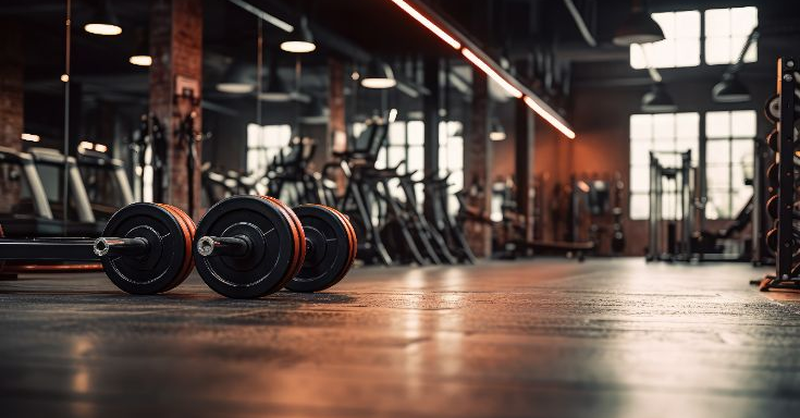
Fitness Center Risk Prevention: Practical Steps to Reduce Injury Risk
The phrase “health is wealth” has endured for a reason: physical and mental well-being support quality of life. Fitness centers make healthier routines more accessible—but they also introduce injury exposures if hazards are not managed consistently.
This article provides general risk-management guidance for fitness center risk prevention. It does not replace professional advice or applicable codes, standards, manufacturer requirements or legal obligations.
How Injuries Commonly Occur in Fitness Centers
Fitness centers tend to see recurring injury drivers across locations and business models:
1. Equipment use and condition
Injuries can result from improper use or equipment malfunction, including both cardio and resistance machines as well as free weights and accessories. Risk increases when equipment is used outside intended design, safety features are bypassed, or items are not taken out of service when damaged.
2. Slips, trips and falls
Wet surfaces (especially in locker rooms), worn flooring, poor housekeeping, and equipment left in walkways can create avoidable fall exposures. These incidents often occur during peak times when traffic and pace increase.
3. Falling objects
Loose equipment stored improperly—such as medicine balls, dumbbells, kettlebells, bands, or attachments—can fall from racks, hooks, or shelves and cause injury.
4. Overcrowding and traffic conflicts
Open membership models can create unpredictable occupancy. During peak hours, limited space and congested pathways can increase collisions, dropped equipment events and delayed staff response to hazards.
5. Lighting and visibility gaps
Inadequate lighting or burnt-out fixtures reduce visibility on the gym floor, in stairwells and in locker rooms—especially where there are changes in elevation or transitions between spaces.
6. Chemicals and disinfectants
Cleaning products and disinfectants are necessary in most facilities but can cause skin, eye, or respiratory irritation if not handled, applied, or stored correctly.
7. Ventilation and indoor air quality
Poor air circulation—particularly in confined areas—can contribute to discomfort and fatigue and may increase exposure to odors or airborne chemicals from cleaning processes.
Practical Controls for Fitness Center Risk Prevention
Effective risk prevention is typically built on simple controls executed consistently. Consider the following measures and adapt them to your facility’s design, equipment mix, and operating model.
Facility Layout and Traffic Flow
- Maintain clear, unobstructed walkways and avoid placing portable items where they can migrate into traffic paths.
- Provide adequate spacing between machines and zones to support safe movement and reduce user-to-user conflicts.
- Use visual cues (floor markings, signage or zone labels) to reinforce safe storage and clear boundaries between activity areas.
- Confirm wall- and ceiling-mounted fixtures (mirrors, TVs, speakers) are installed securely and checked periodically.
Housekeeping That Prevents Incidents
- Treat housekeeping as a safety control, not just an appearance standard.
- Prioritize wet areas (locker rooms, showers, entrances) with appropriate flooring, mats, and prompt response to moisture.
- Keep cords, attachments and portable accessories managed so they do not become trip hazards.
- Establish expectations for re-racking weights and returning equipment to storage to reduce floor clutter.
Equipment Condition and “Out-Of-Service” Discipline
- Reduce equipment-related losses by using a consistent approach to:
- Identifying equipment that is worn, damaged, or malfunctioning
- Removing it from use promptly
- Clearly communicating its status to staff and members
- Where feasible, keep maintenance documentation aligned with manufacturer guidance and service provider recommendations.
Environmental Conditions: lighting, Air and Chemicals
Lighting
- Maintain adequate, uniform lighting in workout areas, corridors, locker rooms and stairwells.
- Address burnt-out bulbs quickly and reduce glare or shadowing where it may affect visibility.
Ventilation and air quality
- Maintain airflow appropriate for occupancy and activity intensity.
- Replace filters and service HVAC systems at intervals appropriate for your environment and usage patterns.
Chemical handling
- Use disinfectants as directed for dilution, contact time, and application method.
- Store chemicals away from public access and train staff on label awareness and safe handling practices.
Training, Supervision and Emergency Readiness
- Post clear rules where members make decisions (free-weight zones, cardio rows, locker room entries).
- Provide a new member orientation that includes:
- Safe equipment use expectations
- Re-racking and storage norms
- How to report hazards
- What to do in a medical emergency
- Ensure staff readiness aligns to your risk profile (First Aid/CPR/AED training and accessible emergency equipment).
- Maintain an Emergency Action Plan that addresses likely scenarios (medical events, severe weather, fire) and keep exits clearly marked and unobstructed.
Additional Risk Considerations for 24/7 Access Facilities
24/7 access can improve convenience but may change your operating risk profile—especially during unstaffed hours. Consider controls such as:
- Access control: member-only entry systems that support audit trails.
- Video surveillance: coverage for entrances/exits and key activity areas, with retention aligned to policy and applicable requirements.
- Exterior safety: lighting in parking areas, walkways and entrances to support safe entry and exit.
- Emergency communications: clearly posted emergency instructions and accessible methods to contact help (phones, panic buttons, or app-based options where appropriate).
- Change management: treat extended hours as an operational change—review hazards and controls before implementation.
Why Fitness Center Risk Prevention Matters
Fitness centers support healthier lifestyles—but they also face predictable injury exposures related to equipment use, housekeeping, environmental conditions, and operating models such as 24/7 access. A practical fitness center risk prevention approach focuses on consistent basics: clear traffic flow, disciplined housekeeping, reliable equipment controls, staff readiness, and clear member communication.
Frequently Asked Questions (FAQ)
Fitness center risk prevention refers to practical steps used to reduce the likelihood and severity of injuries and incidents in a gym environment—often focusing on equipment safety, housekeeping, supervision, and emergency readiness.
Start with controls that are visible and repeatable: keep walkways clear, address wet surfaces promptly, remove damaged equipment from service, improve lighting, and reinforce member rules in high-risk zones.
Common causes include equipment misuse or malfunction, slip/trip/fall hazards (especially in wet areas), falling objects from improper storage, overcrowding-related conflicts, and chemical exposure from improper handling.
Focus on wet area controls (locker rooms/entrances), flooring and mat condition, rapid spill response, and housekeeping practices that keep equipment and cords out of walkways.
They can be, particularly when unstaffed. Risk can be reduced through controlled access, surveillance, exterior lighting, and clear emergency communication options.
Download Our Checklist for Practical Steps to Prevent Fitness Center Safety Risks
- Employee Wellness
- Workplace Safety
- Loss Control