
Boat Winterization: Protect Your Investment This Winter
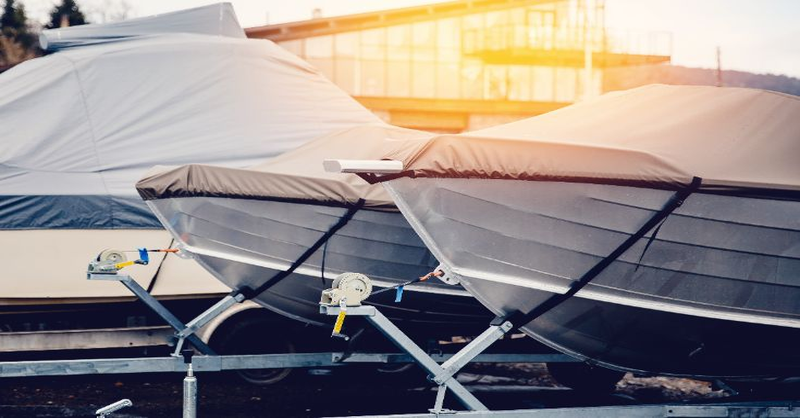
As boating seasons come to a close, boat owners in colder regions should be preparing their vessels for winter lay-up. No matter the type of craft, winterization is a critical part of protecting the investment and managing risks associated with winter boating.
Most preventable claims related to winterization are tied to damage from freezing, electrical fires, and hull deterioration. Here are important considerations to take before that first hard freeze hits.
Engine Protection During Boat Winterization: Avoiding Freeze Damage
Engines are among the most expensive components to repair or replace on your boat, and they are highly susceptible to freeze-related failures during winterization.
Real-World Example: A commercial tour operator stored three vessels dockside over winter without draining the raw water-cooling systems. A late-season freeze caused damage to all three engine blocks. The total claim exceeded $85,000, and the operator lost early-season revenue due to delayed repairs.
Recommended Practices to Avoid Damage During Boat Winterization:
- Flush the cooling system with fresh water.
- Drain all water from the engine block and manifolds.
- Add marine-grade antifreeze appropriate for the vessel’s location during winterization.
- Fog the engine to prevent internal corrosion during winterization.
- Change oil and filters to remove contaminants before winterization.
- Top off the fuel tank and add stabilizer during winterization.
Electrical Systems During Boat Winterization: Fire Prevention Starts Here
Stored vessels are vulnerable to electrical fires during winterization, especially when batteries are left connected or shore power is not monitored.
Real-World Example: A sailing school operator left a training vessel plugged into shore power over the winter. A corroded battery terminal sparked a fire that destroyed the vessel and damaged adjacent boats. The claim totaled $140,000 and triggered liability concerns.
Recommended Practices to Avoid Damage During Boat Winterization:
- Disconnect and remove batteries; store in a dry, temperature-controlled space during winterization.
- Inspect wiring and terminals for corrosion or wear during winterization.
- Avoid leaving the vessel connected to shore power for extended periods during boat winterization.
Helpful Videos for Boat Winterization
Disconnecting Boat Battery Cables – Helpful Hints for Winterization
Shows how to safely disconnect and store boat batteries for winter.
Plumbing and Sanitation Systems Boat Winterization
Frozen water lines can rupture and lead to extensive damage, especially in fiberglass hulls during winterization.
Real-World Example: A vessel was stored without draining its sanitation system. Freezing temperatures cracked the holding tank and fittings, causing wastewater to leak into the bilge. Cleanup and repairs cost $18,000 and delayed spring deployment.
Recommended Practices to Avoid Damage During Boat Winterization:
- Drain all freshwater systems, including tanks, heads, and bilge pumps during boat winterization.
- Run antifreeze through all lines, including sinks, showers, and sanitation systems during boat winterization.
Hull and Structural Integrity During Boat Winterization
Before covering the vessel, inspect the hull and key structural components during winterization.
Real-World Example: A small commercial fishing boat was stored on uneven blocks. Over the winter, the hull warped, causing misalignment in the shaft and rudder. Repair expenses totaled $22,000 and required a full haul-out.
Recommended Practices to Avoid Damage During Boat Winterization:
- Check through-hull fittings and transducers for cracks or corrosion during winterization.
- Inspect and lubricate steering and trim systems during winterization.
- Apply protective coatings to exposed metal during winterization.
Storage and Covering During Boat Winterization
Proper storage is essential to prevent weather-related damage and unauthorized access during winterization.
Real-World Example: A marina stored several vessels under tarps without ventilation. Moisture buildup led to mold growth in cabins and electrical corrosion. Multiple claims were filed, totaling more than $60,000.
Recommended Practices to Avoid Damage During Boat Winterization:
- Use a breathable, UV-resistant cover or shrink wrap with ventilation for winterization.
- Block and support the vessel to prevent hull distortion during winterization.
- Secure the storage area against wind, snow load, and theft during winterization.
Helpful Videos for Boat Winterization
How to Remove Rust from Metal on Your Boat | Revival Marine Care for Winterization
Includes tips on applying corrosion blockers to exposed metal before storage.
Documentation for Boat Winterization
Documentation is key during winterization because maintenance logs show that the vessel is being cared for according to industry standards and is also critical in defending claims.
Real-World Example: An insured filed a springtime claim for engine damage but had no records of winterization. The claim was denied due to inadequate record-keeping, leading to a coverage dispute and reputational damage.
Recommended Practices to Avoid Damage During Boat Winterization:
- Maintain a signed winterization checklist.
- Keep service records for all maintenance performed during winterization.
- Confirm that coverage reflects the vessel’s storage location and lay-up status.
Top Boat Winterization Mistakes That May Lead to Claims
Even small oversights during winter lay-up can lead to big losses. The list below highlights the most common mistakes we see in Ocean Marine claims—along with the damage they cause. Use it as a quick reference to help protect your vessel and avoid preventable claims during winterization.
- Skipping Engine Drainage During Winterization
Mistake: Leaving raw water in the cooling system.
Impact: Cracked engine blocks, blown manifolds, and thousands in repair costs. - Leaving Batteries Connected During Winterization
Mistake: Keeping batteries wired during storage.
Impact: Electrical fires, corrosion, and system failures. - Improper Use of Antifreeze During Winterization
Mistake: Using automotive antifreeze or skipping it altogether.
Impact: Frozen plumbing, cracked tanks, and hull damage. - Poor Hull Support During Winterization
Mistake: Blocking the boat unevenly or on soft ground.
Impact: Hull warping, shaft misalignment, and structural damage. - Using Non-Vented Covers During Winterization
Mistake: Covering the boat with tarps or shrink wrap without ventilation.
Impact: Mold growth, electrical corrosion, and interior damage. - No Documentation of Winterization
Mistake: Failing to keep records of maintenance and lay-up procedures.
Impact: Denied claims, coverage disputes, and reputational damage. - Assuming the Marina Handles Everything for Winterization
Mistake: Relying on marina staff without confirming scope or quality.
Impact: Missed steps, unclear liability, and uninsured losses.
Winterization isn’t just about protecting your boat; but also about safeguarding your investment, operations, and ability to get back on the water when the season starts. A cracked engine, a fire from a neglected battery, or mold from poor storage can sideline your vessel and cost you significant expenses.
)