Effective Fleet Safety Management Through Telematics
Effectively using fleet telematics is a key component of a robust fleet safety management program. But what defines a fleet, and how do vehicle telematics contribute to improving fleet safety vehicle management?
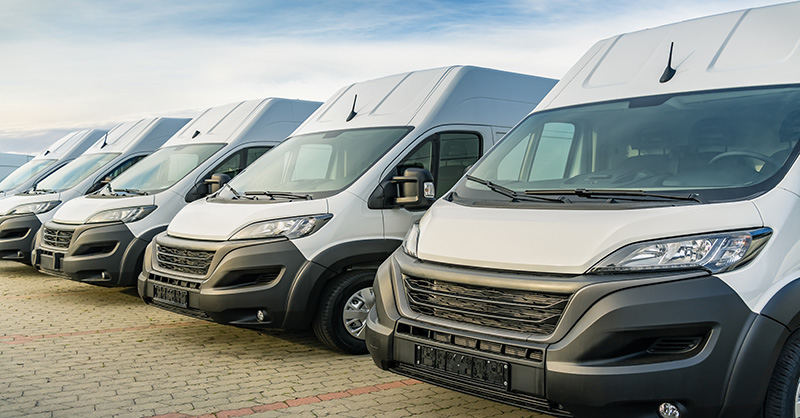
For the purposes of this article, the word “fleet” is used to describe any number and type of vehicles used for organizational purposes. It could be small passenger vehicles and vans, or dump trucks and semis. If your organization uses vehicles as part of operations, it has a fleet of vehicles, even if it is only a fleet of one. A “Fleet Safety Management Program” refers to everything done to ensure the fleet is operating safely on the roads, which includes driver behavior.
Now that we have defined what a fleet is, let’s discuss the meaning of vehicle telematics. When you think of vehicle telematics, you might be inclined to think about sensors installed in vehicles that track data points such as maintenance needs, idle time, physical location, routes taken, weather conditions, fuel consumption, and hours of operation and miles driven. While these are all important data points for effective management of vehicle operations, they stop short of delivering data points on how safely the vehicles are being operated. This is where fleet telematics come into play by providing real-time data and alerts about driver behaviors, such as:
- Harsh braking
- Speeding
- Seatbelt usage
- Rapid acceleration
- Aggressive maneuvering
- Crash detection
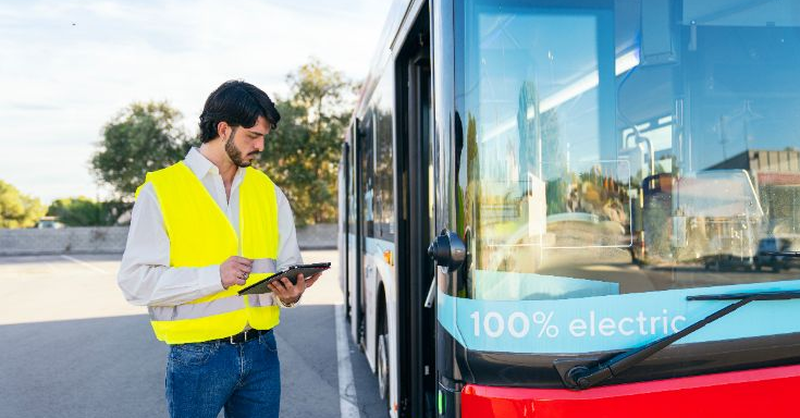
This sensor data is often coupled with the use of cameras that continuously monitor current conditions as vehicles are being operated. When installed, these cameras are often in forward-facing and driver-facing positions. Cabin monitoring cameras can be installed within vehicles that transport passengers, such as vans and buses.
When properly implemented, this technology can greatly improve fleet safety management by:
- Improving driving behavior
- Reducing accident exposures
- Improving transportation efficiencies
- Resolving post-accident disputes
It is important to understand that the simple act of purchasing and installing telematics sensors won’t ensure your vehicles are operated safely. Active driver management is required to realize the full benefits of fleet telematics, including improved safety, accountability and loss reduction. The following are key considerations for success in developing and implementing a vehicle telematics program:
- Select the telematics service provider that meets the needs of the organization. There are several telematics service providers in the marketplace today, offering systems with wide ranges of capabilities spanning from basic monitoring of vehicle locations, up to incorporating the use of artificial intelligence to monitor driver behaviors. Take time to understand the various provider options and compare them with the unique challenges in your organization. Selecting the proper vendor and system that provides your desired vehicle/driver monitoring capabilities is the first step in creating an effective vehicle telematics program.
- Develop a plan for how you will utilize telematics data to monitor and coach drivers. Determine what data will be collected (speeds, hard brakes, driver distractors, etc.), the frequency this data will be reviewed and establish thresholds for when driver coaching is required. Many telematics service providers offer the opportunity to create a driver scorecard ranking driver safety results to assist with identifying drivers in need of safety intervention. It is also recommended that a designated individual or team is assigned the responsibility to manage your telematics program efforts.
- Obtain driver buy-in. Before you install the telematics sensors in vehicles, it is important to discuss the use of this technology with your drivers. Explain why the organization will be using this technology and how it will benefit drivers from a safety standpoint. Be sure to thoroughly explain what data will be collected, how/when these results will be shared with drivers, and when coaching will be conducted. The use of this technology should be presented as a way to identify and acknowledge safe driving behaviors in addition to identifying improvement opportunities for drivers exhibiting a frequency of unsafe driving behaviors.