Top 15 Winter Safety Tips to Help Protect Your Business
As temperatures drop, winter weather can bring more than just a chill. It can introduce serious risks to your business operations. From frozen pipes to icy walkways, seasonal hazards can impact your employees, customers, volunteers, and property.
To help you stay prepared, we’ve compiled 15 practical safety tips that address common winter challenges. These quick reminders are a great starting point, but for more in-depth guidance, be sure to explore the full articles linked below.
Prevent Freeze-up of Fire Protection Systems
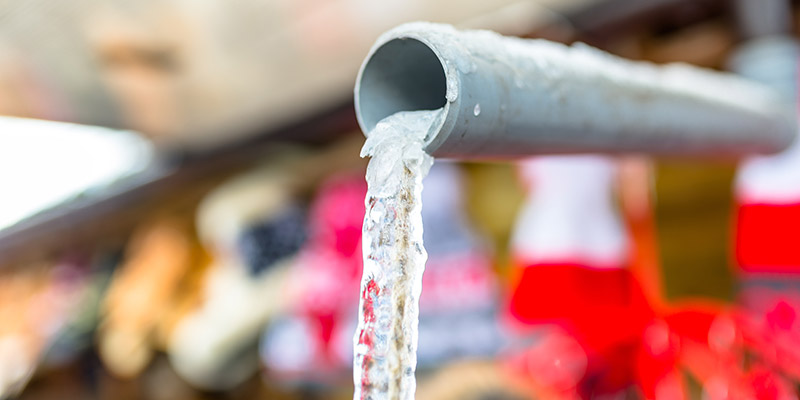
Winter temperatures can cause damage on fire protection systems, but a few simple steps can help you stay ahead of the freeze:
- Heat areas in your facility where there are water-based fire protection system and spaces where temperatures may fall below 40°F
- Verify that systems protected with antifreeze solution maintain the proper proportions of antifreeze and water
- Clear snow, water and ice away from hydrants, valves and standpipe connections
- Allow for a slight flow of water by opening a drain in a heated area. Do not open valves in the sprinkler piping, as this will activate alarms
Explore more freeze prevention tips.
See Full ArticleMitigate Slips and Falls on Ice or Snow
Slippery conditions are a leading cause of winter injuries. A few proactive measures can make your facility safer for everyone:
- Make advanced arrangements for prompt snow plowing and keep appropriate snow removal tools such as shovels, ice melting compounds and door mats or nonskid runners handy throughout the winter
- Monitor and control build-up of icicles and frozen snow masses on roofs or overhangs, rain gutters and overhead fixtures
- Maintain walkway and parking lot surfaces to prevent ice and snow from creating concealed tripping hazards
- Provide adequate lighting to illuminate parking lots, walkways and steps
Discover more ways to reduce slip risks.
Read Full ArticleBe a Cautious Winter Driver
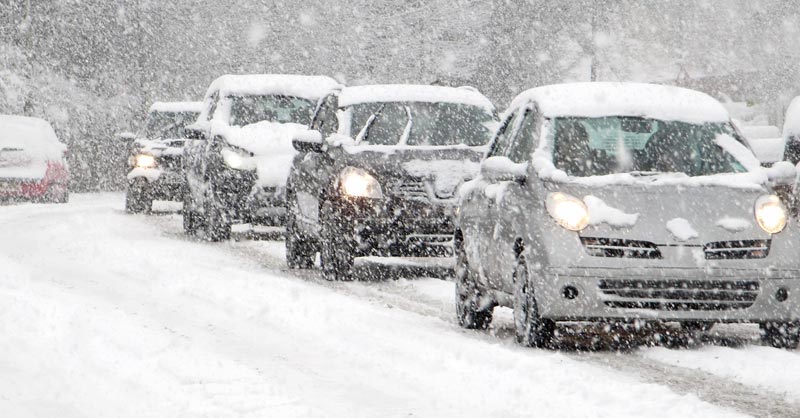
Winter driving demands extra attention and preparation to stay safe. Whether your traveling long or short distances, these steps can help you handle icy roads and unpredictable conditions:
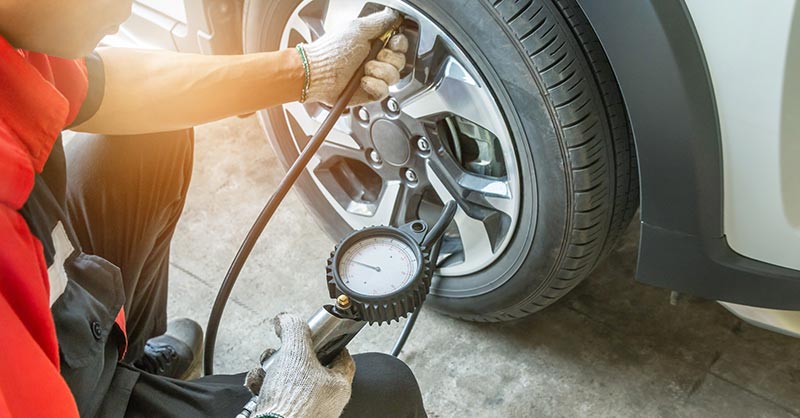
- Prepare your vehicles for winter weather by checking brake condition and fluid, ensuring proper 50/50 mixture of antifreeze and water in the cooling system, confirming proper tire tread depth and inflation and inspecting all exterior lights, defrosters and wipers
- Depart for your destination early to allow extra time for unexpected conditions. Plan your route in advance to avoid steep grades, increase following distance of other vehicles and gradually check your brakes throughout your trip
- Equip your vehicle with an emergency kit that includes warm blankets, a small shovel, safety flares, a flashlight, jumper cables and a spare ice scraper
- When feasible, stay off the road during travel advisories
Get more winter driving tips.
See Full ArticleTake Care with Portable Space Heaters
Space heaters can be a convenient heat source, but they must be used with care to avoid fire hazards:
- Before using any space heater, read the manufacturer’s instructions and warning labels carefully
- Never leave a space heater unattended; turn it off when you leave the room
- Keep heaters at least three feet away from flammable items, including papers and rugs; position them out of high traffic areas and on flat, level surfaces
Read more space heater safety tips
View the Full Article