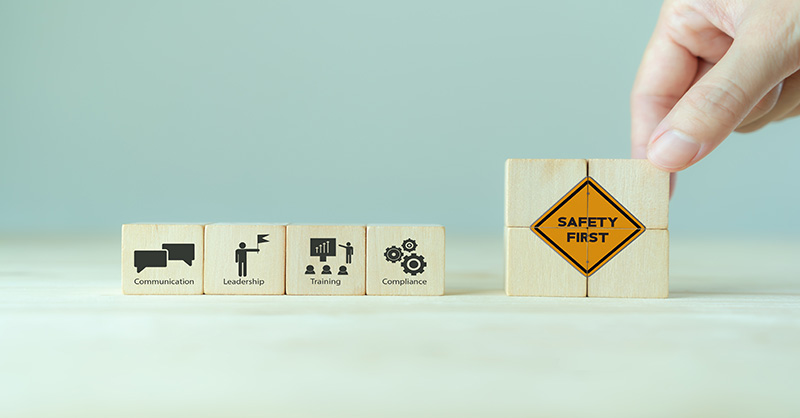
Building a Stronger QA/QC Culture for the New Year

As design firms look ahead to 2026, one message stands out: a strong QA/QC culture is the most effective tool to help reduce professional liability risk. Nearly every significant claim—from coordination disputes to costly construction-phase conflicts—can be traced to a breakdown in quality control or a gap in quality assurance practices.
The new year is an ideal time for firms to re-evaluate how they approach QA/QC, refresh internal standards and reinforce expectations across project teams.
Why QA/QC Still Matters
Despite sophisticated software, streamlined communication platforms and improved collaboration with contractors, core challenges remain. These include inconsistent application of standards among project managers, time pressures that could lead to skipped reviews, delegated design mistakes and undocumented decisions, rushed responses during construction administration, and younger staff producing complex work without sufficient oversight.
A well-defined QA/QC program helps reduce these risks while improving project predictability, client satisfaction and profitability. Consider the following strategies:
1. Recommit to a Clear and Documented QA/QC Process
Effective programs share three traits:
- Consistency: Every project must follow the same review milestones.
- Accountability: Clear assignment of who performs reviews and when.
- Accessibility: Templates, checklists and review logs should be easy to find and use.
2. Strengthen Technical Reviews and Peer Checks
Best practices include:
- Assigning reviewers not directly involved in production.
- Reviewing against firm standards and project-specific criteria.
- Using checklists that address common claim triggers.
- Documenting every review and resolution of comments.
3. Improve Cross-Discipline Coordination
To reduce coordination exposure:
- Hold structured coordination meetings at key phases.
- Use BIM models to catch interferences early.
- Establish a single point of responsibility for coordinated drawings.
- Document unresolved issues.
4. Elevate QA/QC Expectations for Project Managers
Provide support through:
- Training on documentation standards.
- Refresher courses on contract requirements.
- Guidance on managing owner expectations.
- Tools for protecting quality during compressed schedules.
5. Use Lessons Learned as a Competitive Advantage
- Debrief each project.
- Capture issues in a central repository.
- Update checklists or standard details.
- Share insights internally.
6. Don’t Let Technology Replace Judgment
BIM and AI tools are powerful, but they cannot replace professional judgment.
A strong QA/QC culture is built on expectations, accountability, communication and consistency. As we move into 2026, firms that recommit to disciplined QA/QC practices will be better positioned to potentially reduce claims, help control costs and strive to deliver high-quality results.