Did You Know?
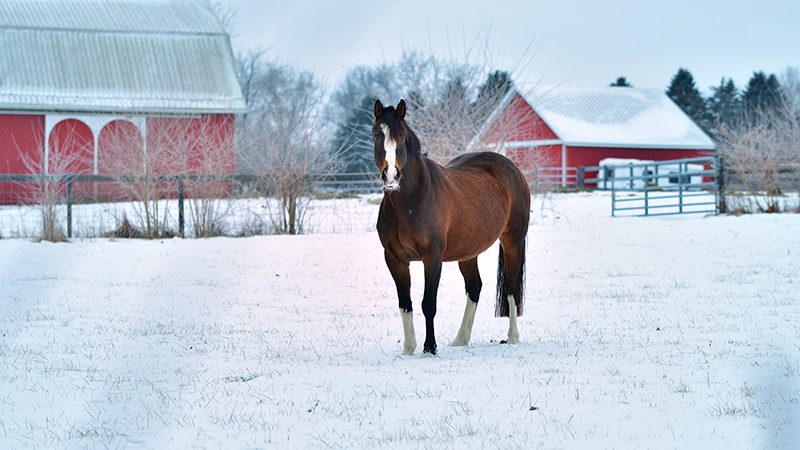
Preparing Your Equine Barn for Winter
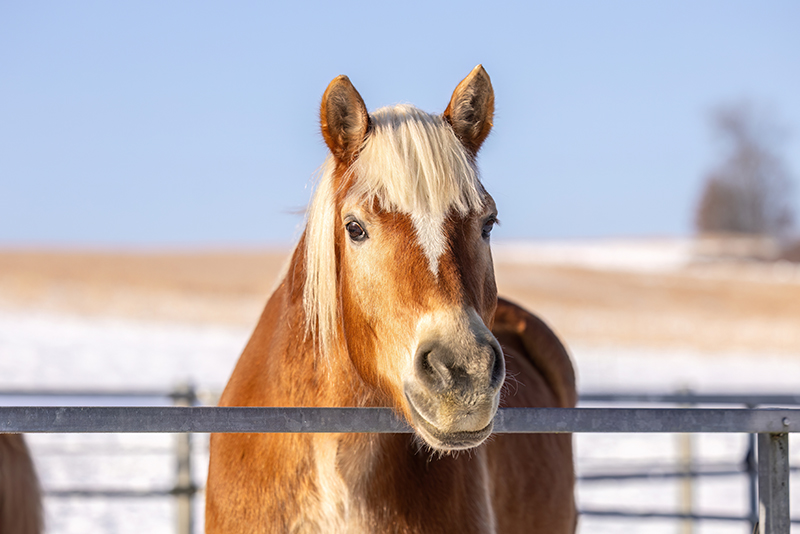
When the first frost hits, it’s too late to start thinking about winter prep. Horses are hardy animals, but cold weather, icy conditions, and limited forage can quickly take a toll on their health if your barn isn’t ready. A well-prepared barn keeps your horses warm, hydrated, and safe while making your own chores easier in the harshest months.
1. Stock Up on Feed and Bedding
Winter storms can disrupt deliveries, so aim to have enough supplies to last at least 4–6 weeks without restocking.
- Hay: Store enough high-quality hay to feed each horse 1.5–2% of its body weight daily. Keep it dry and off the ground to prevent mold.
- Grain & Supplements: Order extra to account for increased caloric needs in cold weather.
- Bedding: Stockpile shavings, straw, or pellets for daily stall cleaning.
Tip: Rotate haystacks so the oldest bales are used first.
2. Inspect and Repair the Barn Structure
Cold air and moisture can sneak in through the smallest gaps.
- Roof & Gutters: Repair leaks and clean gutters to prevent ice dams.
- Doors & Windows: Install weather stripping and fix latches so they close tightly.
- Draft Control: Seal cracks in walls but maintain some ventilation to prevent ammonia buildup.
3. Winterize Water Systems
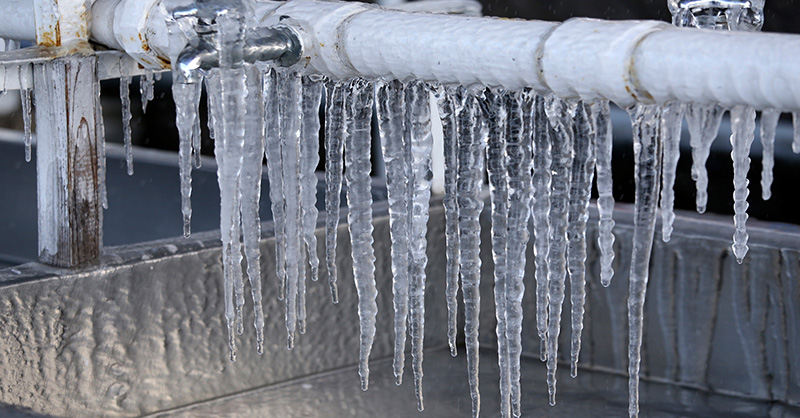
Frozen water is one of the biggest winter challenges.
- Heated Buckets or Tough Heaters: Keep water above freezing.
- Insulated Pipes: Wrap exposed pipes and faucets with insulation or heat tape.
- Drain Hoses: After each use, coil and store them indoors.
Pro Tip: Check water sources twice daily—horses often drink less in winter, so encourage hydration by offering slightly warmed water.
4. Maintain Safe Ventilation
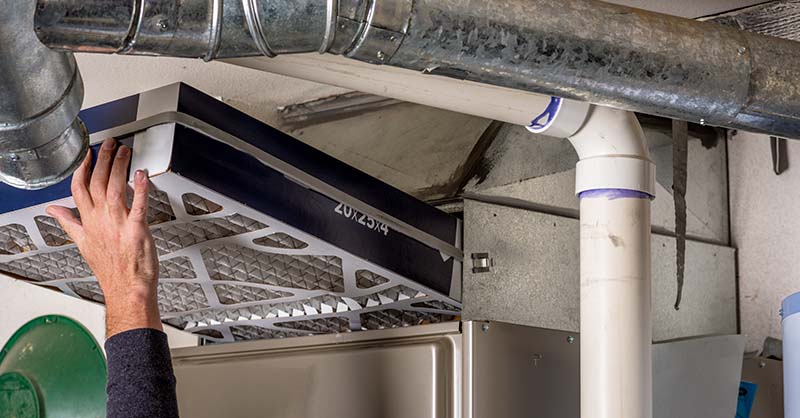
While sealing drafts is important, barns still need airflow to prevent respiratory issues.
- Use ridge vents or partially open upper windows.
- Avoid sealing the barn so tightly that condensation builds up.
5. Organize and Protect Tack
Cold, damp air can damage leather and metal fittings.
- Clean and condition tack before storing.
- Use a heated or insulated tack room if possible.
- Store blankets dry and folded, ready for quick use.
6. Prepare for Snow and Ice Management
- Keep ice melt (safe for animals) and shovels near entrances.
- Clear paths to paddocks and manure piles regularly.
- Lay down sand or rubber mats in high-traffic icy areas.
7. Plan for Emergencies
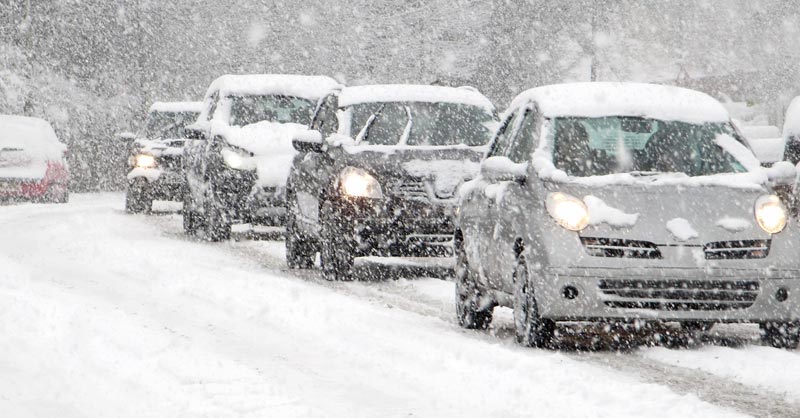
Winter storms can cause power outages and road closures.
- Keep a generator for essential systems like water heaters.
- Store extra fuel, flashlights, and batteries.
- Have a first-aid kit stocked for both horses and humans.
8. Horse Health Checks
- Schedule fall vet visits for vaccines, dental checks, and deworming.
- Monitor body condition weekly—adjust feed as needed.
- Keep blankets clean, dry, and fitted properly.
Winter barn prep is about prevention. A few days of work in the fall can save you weeks of stress in the coldest months. By ensuring your barn is stocked, sealed, and safe, you’ll protect your horses’ health and make your own chores far more manageable.
The information presented in this publication is intended to provide guidance and is not intended as a legal interpretation of any federal, state or local laws, rules or regulations applicable to your business. The loss prevention information provided is intended only to assist policyholders in the management of potential loss producing conditions involving their premises and/or operations based on generally accepted safe practices. In providing such information, Great American does not warrant that all potential hazards or conditions have been evaluated or can be controlled. It is not intended as an offer to write insurance for such conditions or exposures. The liability of Great American Insurance Company and its affiliated insurers is limited to the terms, limits and conditions of the insurance policies underwritten by any of them. 5655-AGB-EQM (10/25)