Legacy Asbestos, Modern Coverage Solutions
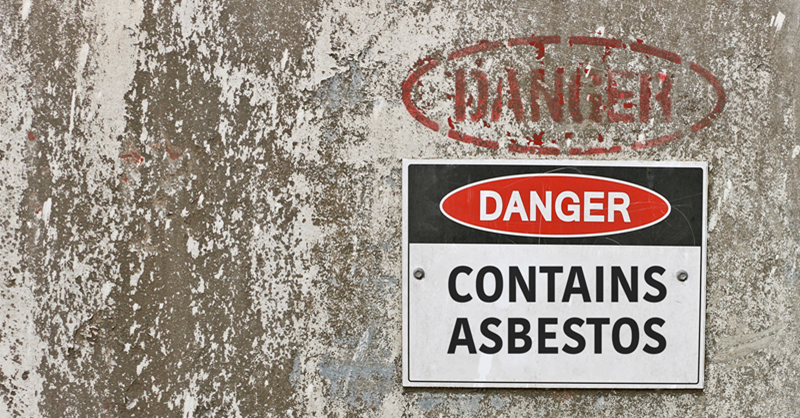
Asbestos may seem like an issue of the past, but it can still create risks for businesses today. Renovation work can disturb legacy materials, and allegations involving past exposure can surface long after the work occurred. For property owners, lenders, contractors and project owners, understanding these exposures is an important part of managing environmental risks.

A Long History of Widespread Use
Asbestos refers to six naturally occurring minerals composed of strong, flexible, heat- and fire-resistant fibers.
People used asbestos long before modern industry, incorporating its fibers into materials such as pottery. Its resistance to heat and chemicals later made it attractive for construction, manufacturing and transportation, including military ships and equipment.
Manufacturers incorporated asbestos into insulation, cement, roofing and flooring products. Other applications included automotive brakes and clutches, gaskets, electrical components and fire-resistant coatings. This widespread use helps explain why asbestos remains a consideration when businesses maintain, finance or redevelop older properties.
Why Exposures Matter
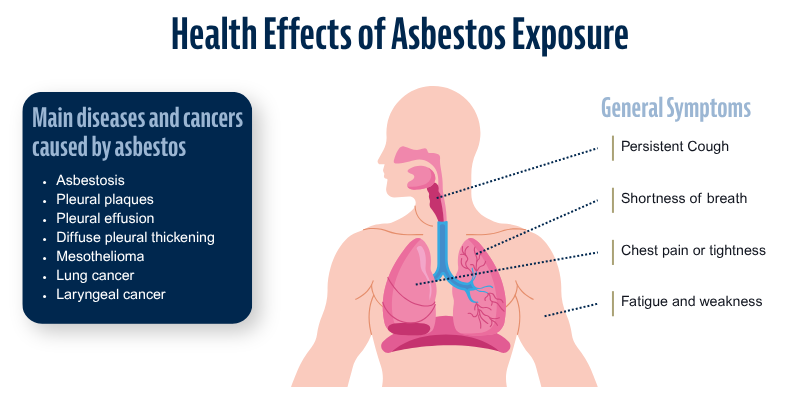
When someone disturbs asbestos-containing materials, tiny fibers can enter the air. Inhaled fibers may remain in the lungs, causing inflammation and scarring over time.2
Asbestos exposure can cause serious illnesses, including lung cancer and mesothelioma, as well as asbestosis, a condition involving lung scarring. Symptoms of some asbestos-related diseases may take decades to appear.3 That delay creates a long period between an alleged exposure and the questions a business may eventually need to answer.
Regulation and Legacy Materials
Federal asbestos requirements address product uses, worker protection and activities involving existing materials.4 In March 2024, the EPA finalized a rule prohibiting ongoing uses of chrysotile asbestos, with implementation requirements that vary by use.5 Restrictions on new uses, however, do not remove asbestos already present in buildings.
The Ripple Effects of Asbestos
Asbestos-related allegations can involve more than the cost of removing material from a worksite. The following scenarios illustrate several exposures.

Dust affects neighboring property: During renovation of an older downtown office building, workers disturbed asbestos-containing material, allowing dust and debris to migrate into an adjoining coffee shop. The shop owner alleges contamination of the space and equipment, resulting in testing, cleanup and property damage demands.

Past work leads to later bodily injury allegations. Several years after asbestos removal at a former manufacturing facility, a maintenance worker alleges that he was exposed to asbestos while working nearby and later developed a serious respiratory illness. The contractor is brought into the claim and must address allegations tied to work completed years earlier.

Involvement in a claim despite a change in ownership. A real estate company purchases and renovates a 1970s-era apartment complex. After asbestos is discovered, a former tenant alleges that the material was handled improperly before the company purchased the property. Despite the timing, the current owner is drawn into the claim and must defend its involvement as responsibility is determined.
These scenarios reinforce the value of preserving surveys, abatement records and project documentation, including information about who performed work and when.
How Great American Can Help
As the examples above show, asbestos-related exposures can affect several parties and stages of a project. Great American’s Environmental Division offers products for property owners and operators, secured creditors, contractors and project owners, subject to each policy’s terms, conditions and applicable endorsements.
For property owners and operators, Premises Environmental Liability (PRE) can help address bodily injury, property damage, legal expenses and cleanup costs arising from pollution conditions associated with covered locations. Coverage may be available for both new and historical conditions, including gradual and sudden events. Our Indoor Air Quality and Mold product focuses on pollution conditions on, at or within a building and includes building-related cleanup costs for the inadvertent disturbance of asbestos or lead-based paint.
For lenders, the Commercial Lender product is designed to protect secured creditors from liability arising from known and unknown pollution conditions at insured real estate. Available coverage includes remediation of secured real estate, third-party bodily injury and property damage, and diminution in value of collateral after foreclosure.
For contractors and project owners, our Contracting Services products can address pollution conditions arising from contracting services, with options tailored to general contractors, construction managers, specialty trades, project owners and smaller contractors. Because asbestos-related coverage can vary by product and account, contact your Great American Environmental Division representative to discuss the proposed work, locations and coverage options.
Additional resources
- Premises Fact Sheet
- Premises Enhancement Guide
- Indoor Air Quality & Mold Fact Sheet
- Commercial Lenders Fact Sheet
- The Hard Hat Hub: Great American Environmental Division’s Contractor Pollution Liability Resources
- Gas Station Claims Scenarios
- Contractors ProProtect Riskopolis
- Construction-Focused Riskopolis
- Interior Risks Riskopolis

Leo Donatucci, Senior Claims Attorney, Claims
Great American Environmental Division
Leo Donatucci is a Senior Claims Aattorney with Great American’s Environmental Division. In his role, he provides technical expertise and specialized claims service to environmental clients across a range of commercial industries. With more than 13 years of environmental claims experience and more than 20 years of litigation experience, Leo’s background includes all aspects of case management, both with law firm counsel and through his own independent caseload. Leo received his Bachelor of Business Administration in finance and real estate from Temple University and his J.D. from Rutgers Law School. He is based in Great American’s Exton, Pa., office.
- https://www.epa.gov/asbestos/epa-actions-protect-public-exposure-asbestos
- https://www.atsdr.cdc.gov/asbestos/health-effects/index.html
- https://www.atsdr.cdc.gov/asbestos/health-effects/index.html
- https://www.epa.gov/asbestos/asbestos-laws-and-regulations
- https://www.epa.gov/newsreleases/biden-harris-administration-finalizes-ban-ongoing-uses-asbestos-protect-people-cancer